“A writer will be interested in what we don’t understand rather than what we do.” —Flannery O’ Connor
Your oldest son asks what you and his dad are whispering about before dinner. Facing a cutting board strewn with tomato juice, you startle as if you’ve been caught passing notes in class. He cocks his head, waiting.
“Dad and I were discussing gun violence… again” would be the honest answer. You glance at your husband. “Don’t worry about it, honey,” is what you say instead, picking up the knife and slicing more tomatoes. Which is ironic, considering the fact that you are indeed worrying — about school shootings, political violence, the genocide in Gaza, wars abroad and division in your country.
Your son doesn’t like your answer, but he’s already moved on, curious about what you’re cooking for dinner. Tacos, you answer. It’s taco Tuesday, after all, and the absurdity of making pico de gallo while grappling with death makes your stomach churn.
At church, your pastors preach that God is good and people are sinful, and while you agree, you also wonder about this message’s effect on the human psyche week after week. And what of the barrage of bad news we receive, almost daily, on our screens? How does that affect one’s heart?
At the start of the creation story, God makes humans in God’s own image and calls them very good. Sinfulness writes headlines, but what about our innate capacity for goodness?
You think of the way your youngest wraps his arms around your back and hugs you hard like he’ll never let go. You think of your oldest, and the stories he tells you before he drifts off to sleep at night, how he loves to have you listen. Yes, your kids fight and whine — all kids do — but oh, what a marvel they are, what a gift of creation.
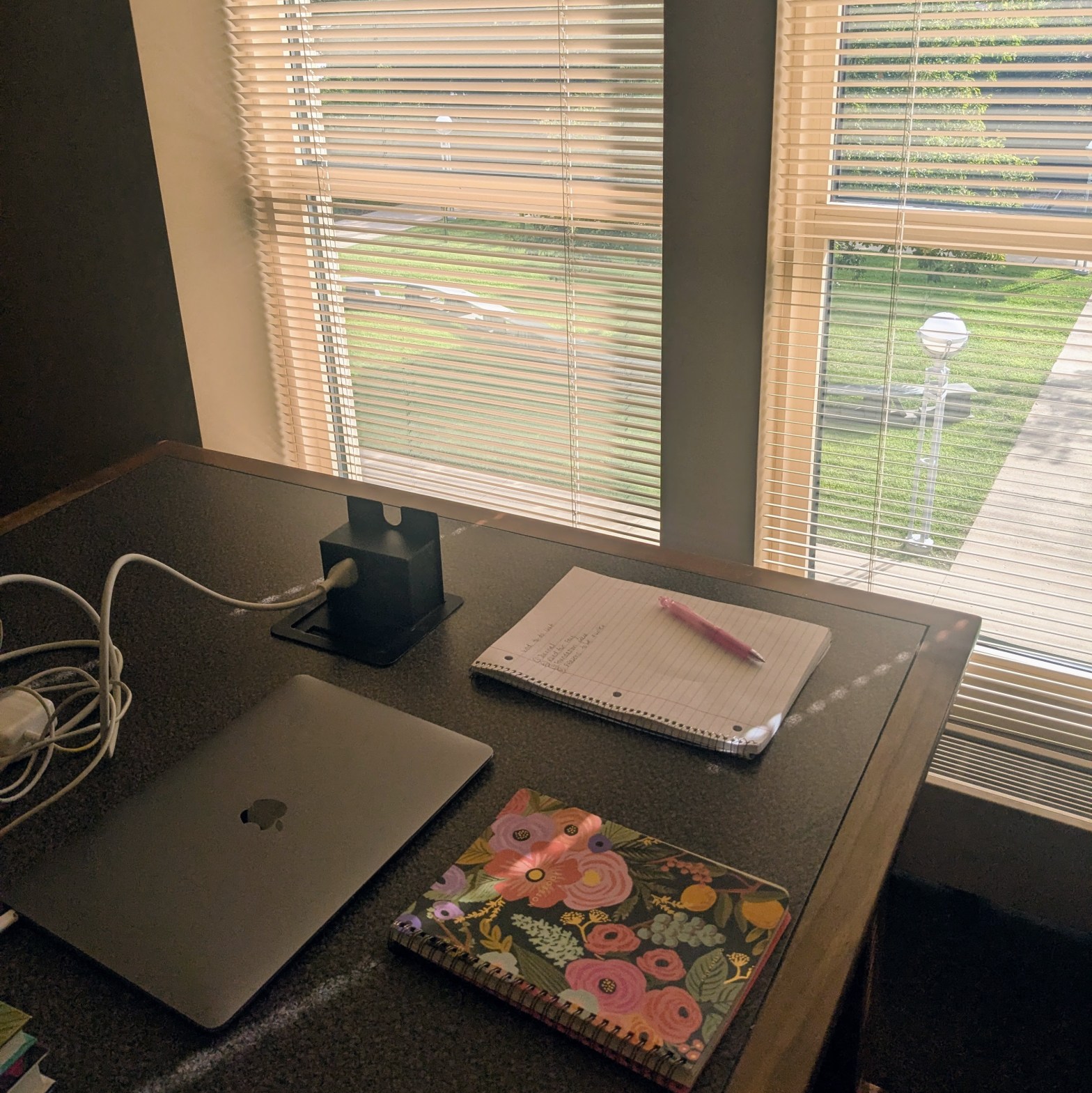
The next day, when your beautiful children are at school, you sit at a library desk and press your pen to the page. You wonder, why bother writing at all when there’s so much brokenness around us? What good will my words do, anyhow? Why write?
You look up, eyes settling on elegant shelves brimming with books. When you were young, you reveled in storytime with your parents. After you could read on your own, you carried books with you the way you used to carry around your favorite flower blanket. Since childhood, stories have been your compass, a means to navigate a confusing world. You write because you first read.
As a freelance writer, you create work no one wants to pay for, but everyone needs. Articles, essays and devotions guide our thinking. Poems, prayers and stories comfort us at weddings and funerals, birthdays and graduations. Writing often garners measly (if any) wages and is already being replaced by AI. You write because the need to express is human, and our stories are marked by emotions, memories and hard-earned insights no computer can ever comprehend. Human storytellers have had a place in society for eons and they will continue to be vital. Life begets art; art begets life. You claim the title storyteller.
You write because once, an author wrote something that touched the deepest part of you, and you finally felt known and less messy and truly worthy and you want to try and do the same thing for someone else. You fold your memories and reflections with care and fashion them into an origami crane. You place the crane into a reader’s hands and say, “Here. I made this for you, I hope it makes you feel less alone. I hope it makes you feel something.”
You write because holding a pen in your hand is akin to stepping on an express train. It’s as if God handed you a ticket and murmured, Enjoy the ride. You write because the journey beckons.
You write because filling a blank page with ideas empties you like nothing else can. Writing is hard work for a busy mind like yours. You aren’t the kind of writer who can produce graceful material upon first draft. If anything, your drafts are a lot like your garden — in need of weeding, watering and time in the sun. In other words: wild.
Maybe revision is part of the appeal? You spent many years as an editor, clearing space for others’ stories to ripen. After tending wild words, you feel wrought out, clear, purposeful, powerful.
True, you might toil for hours unseen on one paragraph that will be read by two people and cause seven to unfollow you. Nevertheless, you nurture stories for the few who pause to appreciate their beauty — and will then be moved to grow and bloom themselves.
And it’s this beauty that guides you today, as you sort through memories from recent days, searching for evidence of God’s grace among us.
You write to reach for goodness.
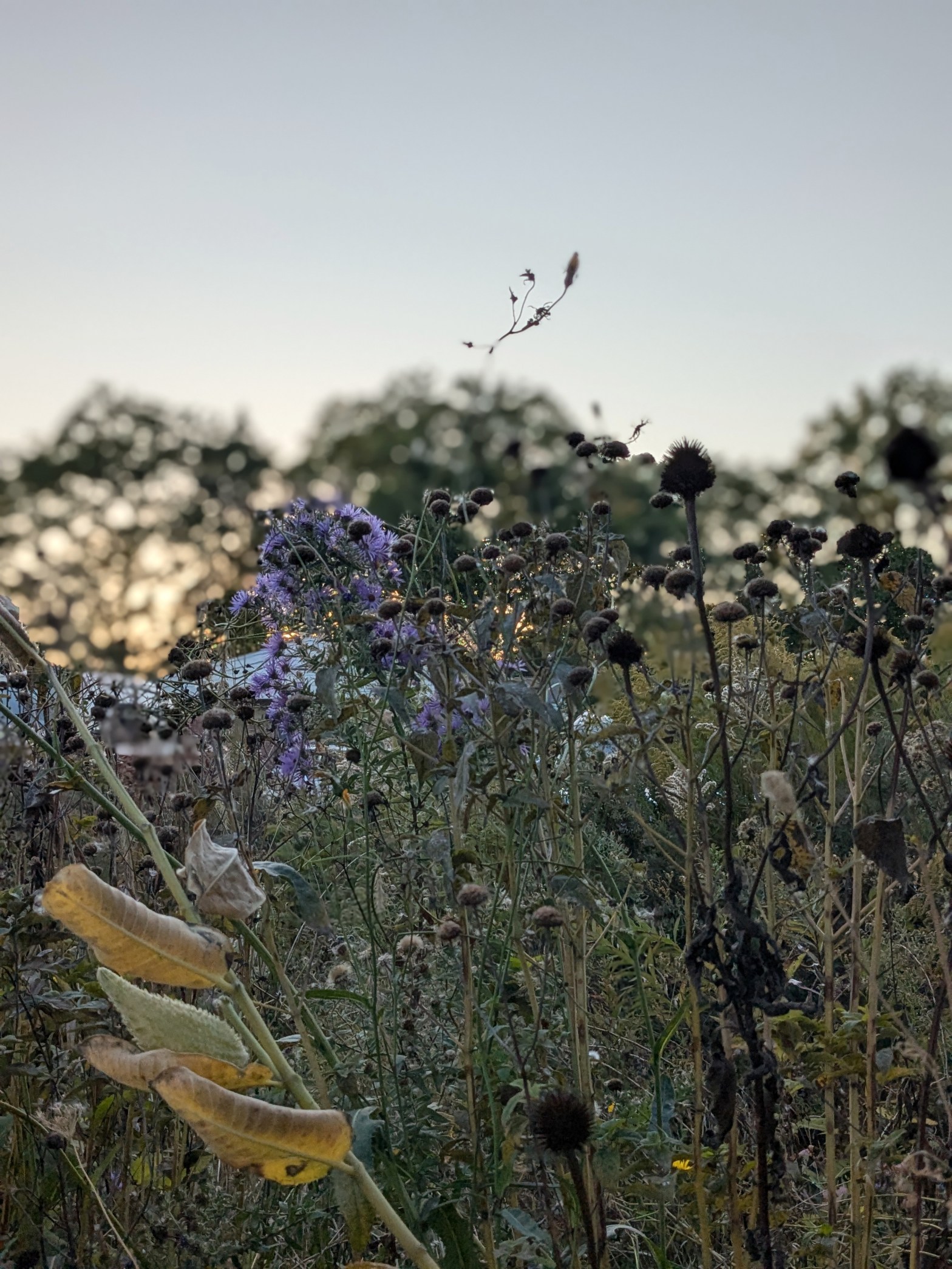
How else would you remember a cool breeze rippling through your sweater on a September morning, your first sighting of crimson leaves, foreshadowing the approaching autumn? How else would you remember tossing the football with your eight-year-old son, both of you barefoot in the yard, amber light filtering through the trees, and the glowy feeling inside when he asked you to play with him? (You feel lucky he still asks.) Who else will account for your preschooler’s make believe, and the cookies and fruit he served you in the play kitchen? You write because you love your family, and you love God’s world and this act of documenting what you love is a prayer of thanksgiving.
You write because you can’t imagine not writing. Your hand gets itchy if you aren’t able to write for too many days. Because there is a story waiting to be written that only you can tell. Because readers are waiting to be known by your words. Because you were created to create. Because, in spite of everything, you believe in humans’ capacity for goodness. Everyone is starving for kindness and you will do your small part to serve up hope.






 Erin Strybis