Turning 40: Real talk about aging with grace

Earlier this month, my friend and fellow writer Melissa Kutsche shared an interview I wrote for her FORTY-something Substack. FORTY-something is a fantastic collection of women’s voices contending with the changes we experience at midlife. Here’s an excerpt from that conversation:

When you were younger, what did you associate with the age of 40? How has reality been similar to or different from those ideas and expectations?

When I was a girl, 40 seemed far away, like a country I didn’t want to visit. I associated the age with low-maintenance “Mom haircuts,” boatloads of bills and raising children. Also, black balloons and those “Over the hill” signs that were ubiquitous in the 90s. I noticed women in their forties taking care of everything from church potlucks to birthday parties while managing full careers and households. They were busy and I revered them. I did not envy them; I wanted to remain carefree.

In the summer, when my family visited the pool, I never understood why my mother—who was in her forties—chose to stay on the deck and read her novel while my brother and I rode waterslides with our dad. Now I get it! Caretaking is all-consuming, and Mom needed her rest.

Even though much has changed since the 90s, I still see forty-something women around me deftly juggling their varied roles and responsibilities, albeit with different outfits and haircuts.

At 40, I’m time rich in a way I wasn’t when I worked full-time with my first child in daycare. The birth of my second son, five years after my first, shifted my priorities. Though I loved working in journalism, I craved more time with my children. My husband and I made some financial sacrifices so I could resign and focus on motherhood and writing.

Playground visits, being present at school drop-off and pickup, writing in a coffee shop during preschool, Lego-building and reading children’s books are my midlife reality. Honestly, I love it. Motherhood awakened me to the holiness woven into little moments with little people.

It’s not all picture-perfect. Being my kids’ primary caregiver is the hardest, messiest job I’ve ever had. Even when you’re doing what’s right (say, setting a boundary) it might feel wrong (there’s whining, or worse, tantrums). Still—and I believe this at my core—raising small people with great kindness matters, more than we can fully comprehend.

How did you feel about turning 40?

I joined the 40 club in December and I have mixed feelings about it.

On the one hand, I’m anxious. The number of Instagram ads I receive for products to help me “manage my wrinkles” is staggering. When I look in the mirror, I see crinkles around my eyes and deepening laugh lines. This is a problem I need to address, I think. Upon further reflection, I ask myself: Is my aging skin a problem? Or, is the problem actually the story marketers want me to believe—that women with wrinkles aren’t beautiful?

To be clear, I’m not judging women for the skincare services we employ. Mainly, I’m frustrated that the beauty industry fosters insecurity in women, distracting us from greater issues that need our attention, such as gender-based wage discrimination.

Additionally, I’m worried about upcoming changes I’ll face—perimenopause, menopause, and the decline of my parents’ health as well as my own. An optometrist once told me that 40 is the decade when everyone begins needing glasses.

On the other hand, I’m quite hopeful about this decade. A former boss once told me that she felt her most confident entering her forties, and now that I’ve reached this milestone, I agree. As a young woman, I struggled with disordered eating, perfectionism and people-pleasing. I have so much compassion for my younger selves—the college grad who was obsessed with running, the newlywed with an intense job and stress-eating habit, the new mom who struggled with guilt—all women who strived to prove their worth.

Nowadays, I feel more at home in my body, mind and soul than before, and I attribute this to years of therapy and a mature faith. Women especially receive messages about all we need to “fix” in our bodies. I still get tripped up by this. Yet, the older I get, the more I recognize these messages as the enemy at work. On my best days, I root myself in the words of the Psalmist, trusting that I am “fearfully and wonderfully made.” There’s an ease of living that comes from believing your worth is inherent.

A new pair of glasses may be in my future. I remain optimistic, because turning 40 has given me lenses for what matters most. In my case, that’s answering my callings to care for my kids and to put loving words into the world. And to spread kindness, always kindness.

What, if any, changes have you noticed as you’ve approached this age/stage of life?

I’m coming out of early motherhood, a physically intense and demanding season, and feeling freer and lighter than I did in my thirties. I do not plan to carry any more babies and I’m done breastfeeding. Most of the time, I don’t have kids clinging to me. This new season is thrilling, like the first spring day you no longer need your heavy jacket.

I also feel bolder. … Read the rest of the interview here.

P.S., If you enjoyed this post, you may also like my monthly(ish) Substack, Nourish. Browse past issues and subscribe here.
Believe women

The ones to break
news of Jesus’ resurrection
were the women — 
Mary Magdalene, Joanna, 
Mary, the mother of James

Jesus approached them in the garden
when the women spoke out
some did not believe them
Even now, women speak truth
and many refuse to accept it 

My most sacred confessions 
have been to women

When I was dead inside,
women resurrected me.
They said I believe you
It wasn’t your fault 
You are good

I couldn’t believe in myself 
but I believed them.

How to survive the end of winter

Plan out your garden,

Imagine basil, tomatoes & peppers,

Try Thai takeout from a new restaurant,

Submit a poem — or three,

Don’t mull over rejection,

Celebrate your courage in trying,

Book flights for a spring break trip,

Stargaze on your deck,

Pick out new sneakers,

Instead of boring, old white choose jade green for
good karma,

Pray for peace on earth,

Vox your girlfriends,

Send them snail mail, too,

Gift old baby books to expecting mamas,

Invite friends over for dinner,

Walk the dog in the cold sunshine, even when you don’t want to, feel the wind bite your hands, feel more alive, feel grateful to be moving,

Drink decaf with a swirl of whipped cream,

Organize a messy drawer,

Donate old toys & jeans that don’t fit,

Buy your kids Lucky Charms for breakfast,

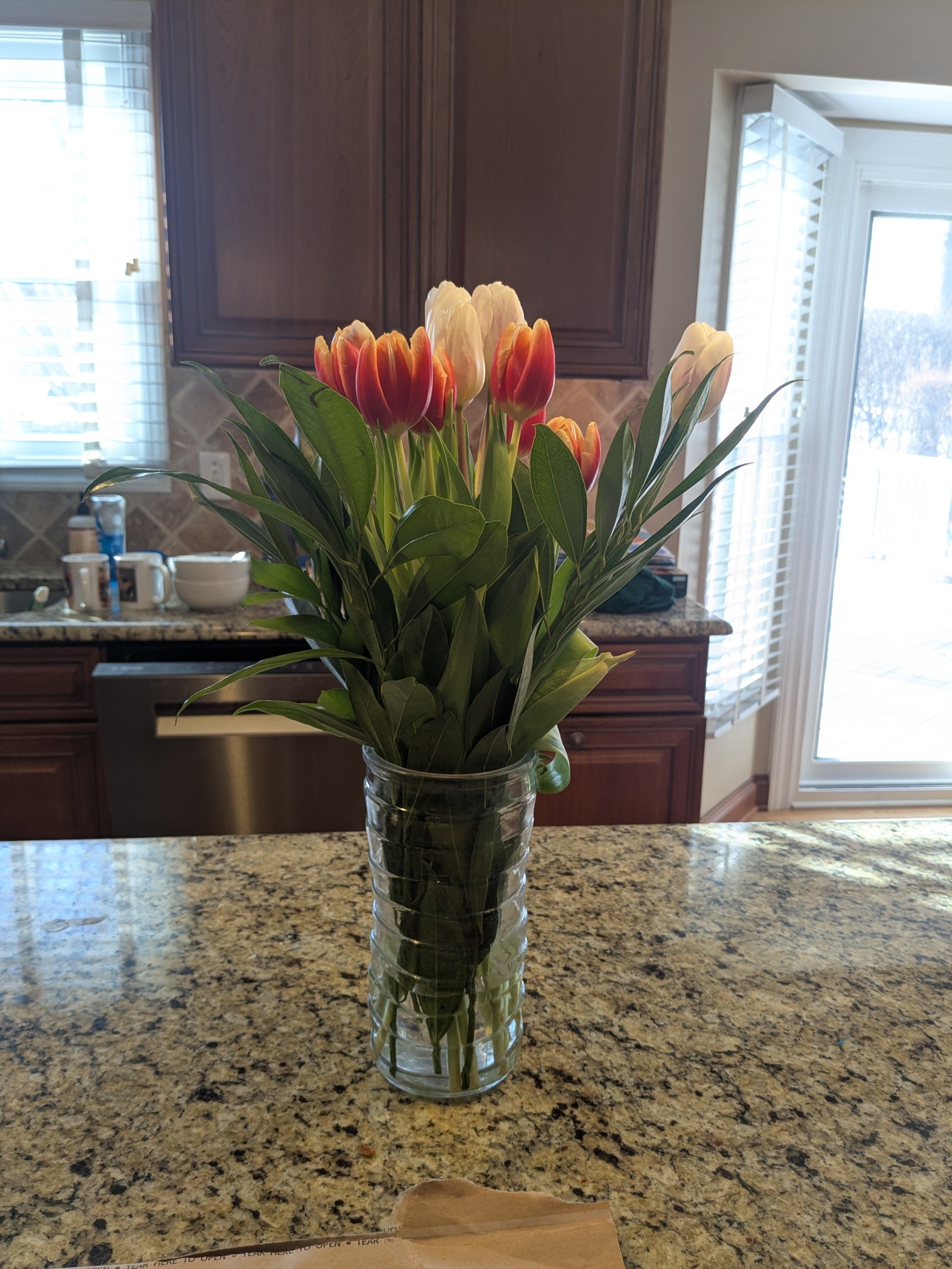
Buy yourself tulips,

Center them on the kitchen counter,

Marvel at their blossoms — the way they guzzle water, unfurl & reach for the sunlight,

Keep the faith: spring is coming,

Even now, you’re blooming.

S H I N E

verb: to reflect or release light
noun: radiance; the brightness caused
by a bounce or outpouring of light

My verbs are:
Reading Frog & Toad, Hilo and The Jesus Storybook Bible
Bringing my boys to church
Giggling together on family movie night
Writing between school dropoff and pickup
Throwing a baseball over and over
Lingering outside until sunset

My nouns are:
Buttered toast and apple juice
Hot pepperoni pizza and fizzy root beer
Magna-Tiles and Legos strewn over the carpet
Bright smiles for “One more race!” in Mario Kart
Handwritten drafts, Google docs and Substack
Prayers for goodness and forgiveness

My confessions:
I do not know how to reconcile
my small life raising small people
with my big dreams of writing.

Am I teaching them to be kind?
Do they know how much I love them?
Or see how hard I’m trying?
Will I ever publish another book?

For every struggle
and every joy,
every sacrifice
and every lesson —
there’s no grade.
Oftentimes, I want one.

God, do you see me?
Am I doing enough
to reflect your grace and your glory?

Here is the better question:
Can I trust you enough to release
my grip on my plans and my ambitions?


// Callie Feyen’s poem “Witness,” from her new book When We Swung from Church Bells, inspired this poem’s structure. “Shine” is my word of the year for 2026.

Chapter 39

There are years that test us, and years that embrace us. I’m grateful that my 39th year has been the latter. In lots of little ways I’ve felt held —

in the abundance of cherry tomatoes from our new garden;
my first glimpse of stars from our backyard in the suburbs;
each time Jay and I drop our boys off with my parents;
through “Hellos” and connections with new neighbors;
sweet messages and meetups with old friends from Chicago;
a perfect latte from a local coffee shop;
by the words of writers and musicians who move me;
walking Miami beach in deep talks with my college girlfriends;
date nights with Jay, especially to see theater or live music;
prayers sent out by family and friends;
when my boys ask for lullabies or games of catch;
and capturing it all on the page, writing. Always writing.

In my calls to write and mother, I spent the bulk of the year planting seeds and nurturing unseen growth. From potty training to helping the boys acclimate to new schools, we’ve conquered several transitions. Freelance projects have come and gone, I managed to keep my Substack alive in the midst of our move. I set aside one manuscript (for now) and started writing another. The work of raising kind humans and putting warm words into the world feels more urgent than ever. 

Selling our Chicago home in 2024 was a real trust fall with God. I’m grateful our family landed in such a beautiful house and community this past August. Starting over socially hasn’t been easy. Once a week, I remind myself of a dear friend’s advice to be “the very best version of myself,” trusting that, with time, I’ll cultivate great relationships here.

Today, on my 40th birthday, I’m more at home in myself than I’ve ever felt before. This confidence was hard won; at 38, I experienced a dark night of the soul from which I’m still healing. A commitment to caring for my physical and mental health, plus gaining a greater understanding of how my mind works, has been transformative. God’s grace was evident in the ones whose love carried me when I most needed it.

If I could tell my younger self anything, I’d hug her and whisper, “You are stronger than you think you are. Trust yourself. Believe in your goodness.”

What I love about Halloween

For one night, 
this country looks different…

Pumpkins deck doorways,
skeletons adorn front yards,
orange lights glow.

Little princesses, ninjas,
sports stars and singers parade 
the sidewalks, parents in tow.

We open our doors,
greet our neighbors’ children,
offer them Twizzlers and Twix,
Snickers and Sour Patch Kids,
pretzels, popcorn, fruit snacks and more.

We say, “Wow, look at that costume!”
“Happy Halloween!”
“Here, have a treat!’

What we mean is,
*I see you.*
*You are welcome here.*
*Take and eat.*

This is a night when 
children are cherished.

And I wonder, 
what would happen if we 
held on to our Halloween spirit?

How would the world change 
if we opened our doors 
— and shared — more often?

Reaching for goodness

“A writer will be interested in what we don’t understand rather than what we do.” —Flannery O’ Connor

Your oldest son asks what you and his dad are whispering about before dinner. Facing a cutting board strewn with tomato juice, you startle as if you’ve been caught passing notes in class. He cocks his head, waiting. 

“Dad and I were discussing gun violence… again” would be the honest answer. You glance at your husband. “Don’t worry about it, honey,” is what you say instead, picking up the knife and slicing more tomatoes. Which is ironic, considering the fact that you are indeed worrying — about school shootings, political violence, the genocide in Gaza, wars abroad and division in your country.

Your son doesn’t like your answer, but he’s already moved on, curious about what you’re cooking for dinner. Tacos, you answer. It’s taco Tuesday, after all, and the absurdity of making pico de gallo while grappling with death makes your stomach churn.

At church, your pastors preach that God is good and people are sinful, and while you agree, you also wonder about this message’s effect on the human psyche week after week. And what of the barrage of bad news we receive, almost daily, on our screens? How does that affect one’s heart? 

At the start of the creation story, God makes humans in God’s own image and calls them very good. Sinfulness writes headlines, but what about our innate capacity for goodness? 

You think of the way your youngest wraps his arms around your back and hugs you hard like he’ll never let go. You think of your oldest, and the stories he tells you before he drifts off to sleep at night, how he loves to have you listen. Yes, your kids fight and whine — all kids do — but oh, what a marvel they are, what a gift of creation.

The next day, when your beautiful children are at school, you sit at a library desk and press your pen to the page. You wonder, why bother writing at all when there’s so much brokenness around us? What good will my words do, anyhow? Why write?

You look up, eyes settling on elegant shelves brimming with books. When you were young, you reveled in storytime with your parents. After you could read on your own, you carried books with you the way you used to carry around your favorite flower blanket. Since childhood, stories have been your compass, a means to navigate a confusing world. You write because you first read.

As a freelance writer, you create work no one wants to pay for, but everyone needs. Articles, essays and devotions guide our thinking. Poems, prayers and stories comfort us at weddings and funerals, birthdays and graduations. Writing often garners measly (if any) wages and is already being replaced by AI. You write because the need to express is human, and our stories are marked by emotions, memories and hard-earned insights no computer can ever comprehend. Human storytellers have had a place in society for eons and they will continue to be vital. Life begets art; art begets life. You claim the title storyteller.

You write because once, an author wrote something that touched the deepest part of you, and you finally felt known and less messy and truly worthy and you want to try and do the same thing for someone else. You fold your memories and reflections with care and fashion them into an origami crane. You place the crane into a reader’s hands and say, “Here. I made this for you, I hope it makes you feel less alone. I hope it makes you feel something.” 

You write because holding a pen in your hand is akin to stepping on an express train. It’s as if God handed you a ticket and murmured, Enjoy the ride. You write because the journey beckons.

You write because filling a blank page with ideas empties you like nothing else can. Writing is hard work for a busy mind like yours. You aren’t the kind of writer who can produce graceful material upon first draft. If anything, your drafts are a lot like your garden — in need of weeding, watering and time in the sun. In other words: wild.

Maybe revision is part of the appeal? You spent many years as an editor, clearing space for others’ stories to ripen. After tending wild words, you feel wrought out, clear, purposeful, powerful. 

True, you might toil for hours unseen on one paragraph that will be read by two people and cause seven to unfollow you. Nevertheless, you nurture stories for the few who pause to appreciate their beauty — and will then be moved to grow and bloom themselves. 

And it’s this beauty that guides you today, as you sort through memories from recent days, searching for evidence of God’s grace among us.

You write to reach for goodness. 

How else would you remember a cool breeze rippling through your sweater on a September morning, your first sighting of crimson leaves, foreshadowing the approaching autumn? How else would you remember tossing the football with your eight-year-old son, both of you barefoot in the yard, amber light filtering through the trees, and the glowy feeling inside when he asked you to play with him? (You feel lucky he still asks.) Who else will account for your preschooler’s make believe, and the cookies and fruit he served you in the play kitchen? You write because you love your family, and you love God’s world and this act of documenting what you love is a prayer of thanksgiving. 

You write because you can’t imagine not writing. Your hand gets itchy if you aren’t able to write for too many days. Because there is a story waiting to be written that only you can tell. Because readers are waiting to be known by your words. Because you were created to create. Because, in spite of everything, you believe in humans’ capacity for goodness. Everyone is starving for kindness and you will do your small part to serve up hope.

Wishes

I wish that I was younger
and I wish I wasn’t so concerned about
the passage of time
seeing lines in my reflection,
aging parents, taller kids

I wish that I was richer
and I wish I wasn’t bothered by
the cost of eggs and our medical bills,
how we’ll afford to send our children
to college, how to pay for a new home

I wish our government was kinder
and I wish there was
a crystal ball I could use to predict
how to preserve freedom, peace
and justice for us all

I can’t wish away the hunger
I can’t wish away the hate
But I can name what’s broken
I call for change
and ask myself what I can give
to ease my neighbors’ pain

I wish that I was braver
And I wish I could give voice
to every injustice
that I witness and have experienced
as a mother
as a woman
as a girl

I wish I was a better Christian
and wife and mom
the kind of person who doesn’t
use sharp words with the ones I love the most
I wish I could sand my rough edges
give them the softest version
of my heart

All of these wishes
I keep them hidden
Will any come true?
All of these wishes
I hope God hears them
God, make me new

// Poem inspired by “Wishes,” a song by Tiny Habits

A blessing for parenting in the summer

God of ice cream cones and sun-kissed cheeks,
God of sticky fingers and pool-soaked bodies,
You made summertime, with its warm breezes
and ample sunshine.

You gave us wispy, white clouds for watching,
Rolling tides for splashing,
Sand for digging and building castles.

Be with me now as I parent
my children through this season,
As we, together, navigate
Longer days and unstructured time.

You know that “School’s out for the summer”
Contains multitudes — stress and sweetness,
dread and relief.
“What can we do?” and “Can I have another snack?”
The answer varies, depending on the hour.

To support our kids through this season means
Pool passes and park playdates,
Sports camps and Vacation Bible School,
Family travel and time unstructured.

Let us see the blank space on the calendar
Not as a challenge to be feared,
But as a gift of rest to be savored
Moments imprinted on our hearts.

Let us revel in the joy of our children
When they witness butterflies soaring
Or dandelions blooming,
When they take off on their bikes for the first time,
And savor that first ripe blueberry.

Let us celebrate their beauty
As they learn to swim and bike,
As they get lost in their favorite book,
As they slide, swing, and run at the park,
As they dig in the dirt and help plant tomatoes.

And when the days grow long and tedious,
And we cannot fathom grappling with
one more tantrum,
Let us draw on the support of our village —
Neighbors, family, church members, friends
Let us hear: “You’re doing great.”

Remind us you are near — in the cool waters
of the creek,
Juicy bites of watermelon,
The surprise rainbow,
The light of fireflies,
A campfire’s glow,
And the joy of watching our children grow.
Amen.

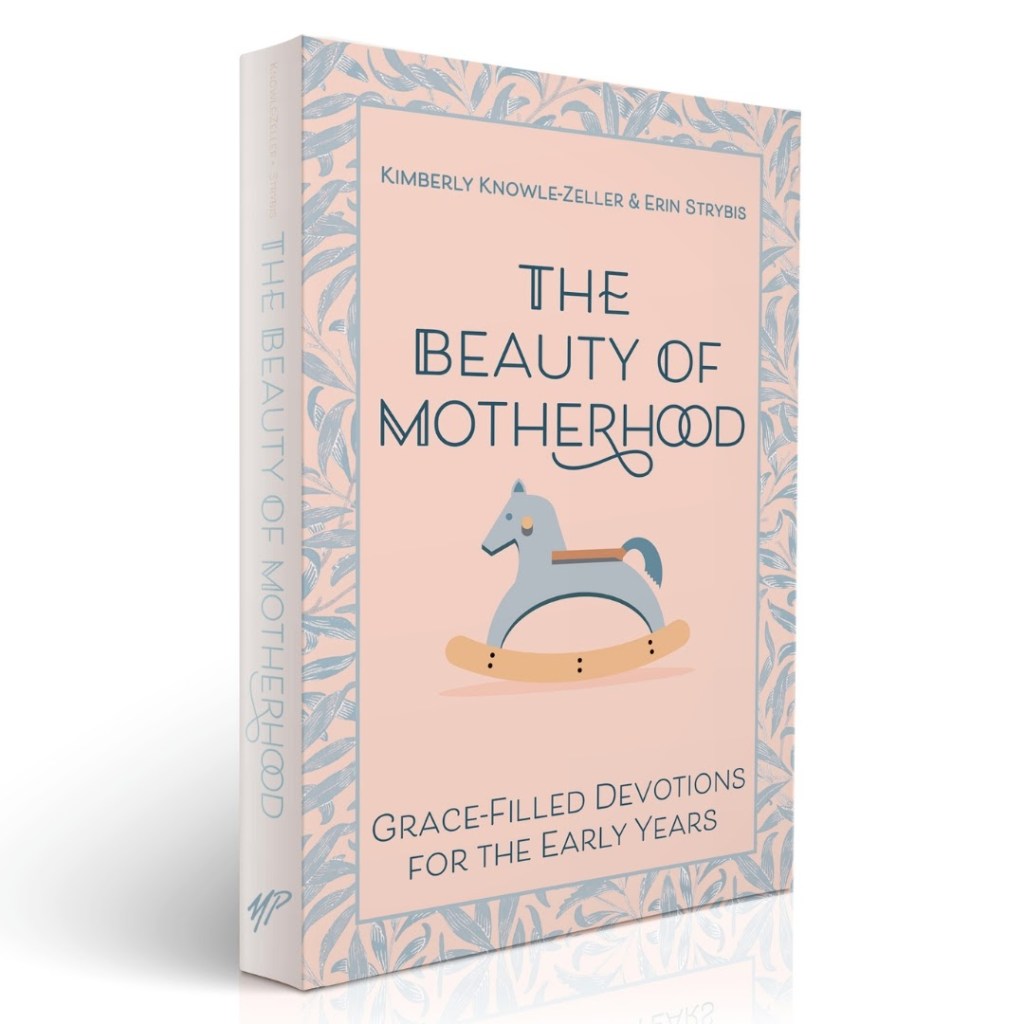
// written with my friend Kimberly Knowle-Zeller as summertime approaches. If you liked this new blessing, you may enjoy our devotional, The Beauty of Motherhood.

The Beauty of Motherhood book cover

To mother

“What would you have liked to know before becoming a mom?” a friend asked recently. 

“Wow, good question,” I laughed. When I was pregnant, the moms in my circle offered all sorts of sage advice, yet, ultimately, I needed to figure out motherhood for myself. 

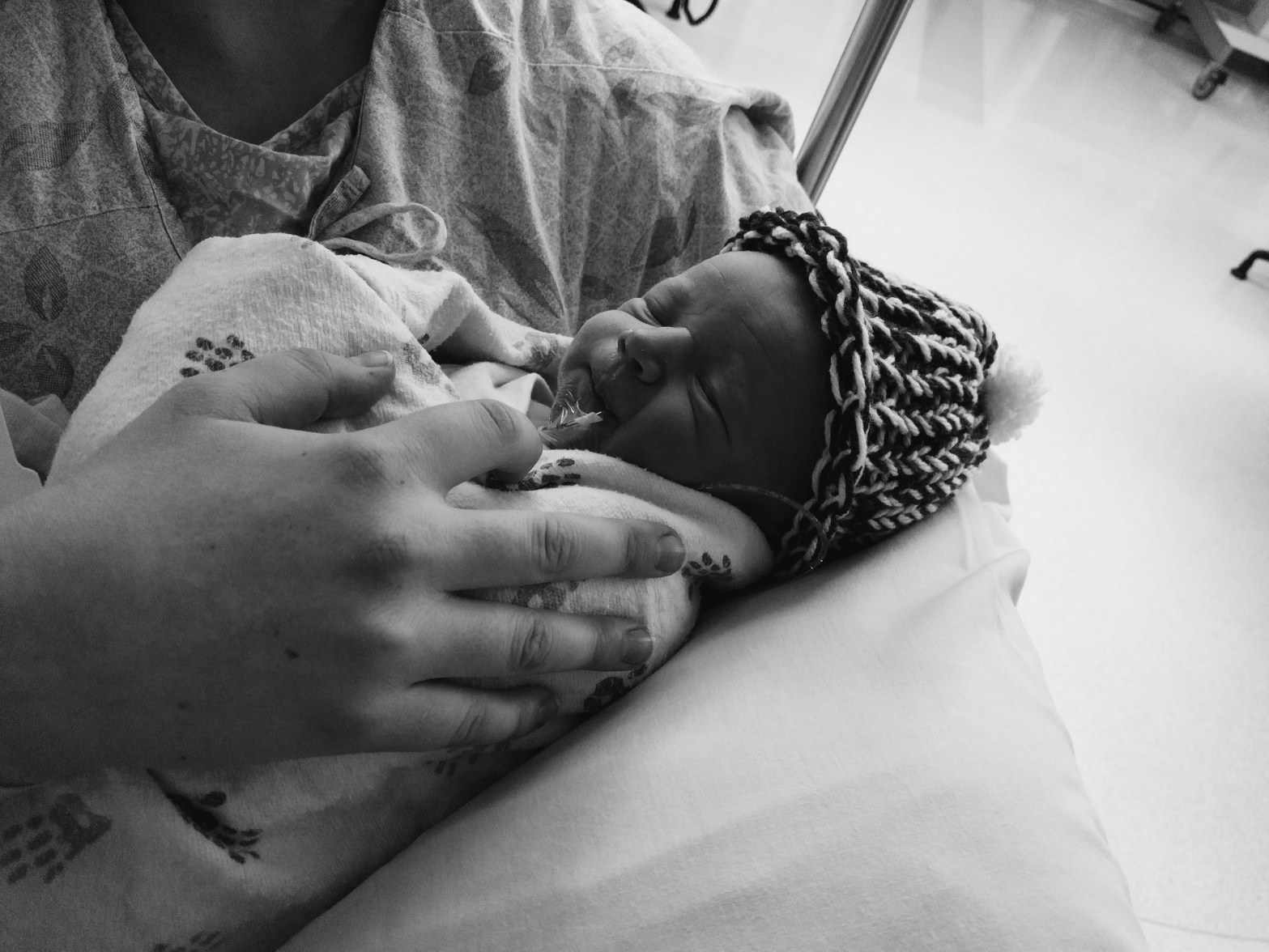
The first time I held my baby, we were in the NICU. I remember looking into his blue eyes, feeling his weight and experiencing sheer joy — and terror. The nurses had left. Now I was responsible for his well being. Would I be up to the task?

Even today, I wonder what I’d say to an expectant mother. How do you describe the toughest, most beautiful job in the world?

Is it like being a nurse, caring for needy patients? Or more like a teacher, presenting lessons and encouraging budding learners?

At times, a short order cook. A cheerleader. Housekeeper. Zookeeper! Captain of the ship. 

Perhaps motherhood is like being a writer, nurturing wild words into stories that stir the soul. You spend countless, invisible hours putting everything you have into your work — then you revise, leaning into whatever the piece wants to become. And here’s the kicker: You can only steward your stories for so long until they’re ready to be set free, with a life of their own.

Motherhood is as impossible to contain as the weather. It’s sunshine and storms. Clear skies and blizzards. Rainbows, too. 

I don’t think anyone can fully prepare you for the cataclysmic identity shift of motherhood. The call to mother will stretch you beyond your capacity. You will embody love. You will make mistakes. You will know sweetness beyond understanding. You’re bonded forever and compelled to endure a perpetual state of letting go. And when you feel as if you can no longer hold it all, grace will carry you through. 

What did I know of motherhood when I was young? What do I know now? How do you describe a metamorphosis of the heart?