A prayer for presence this Advent

Advent begins with early sunsets —
daylight retreats. The dark descends
like watercolor. Night after night,
twinkle lights appear, brightening
each block. Christmas trees shimmer,
candles flicker on Advent wreaths.

Holy One, let me reflect your love
like the lights shining in the darkness.

Carolers crowd a city square, singing
“O come, O come, Emmanuel…”
Jingle bell ring out, signaling charity
collection on the corner. An organ
rendering of “Silent Night” floats
from a packed sanctuary.

Holy One, let me harmonize with you,
making known your eternal song.

Advent is a time for telling ancient tales
and collecting wishes. For feasting
and giving. Warm laughter and hugs.

Holy One, keep me attuned
to your glow, your music — soon
angels will proclaim that the Light
of the world is dawning. May I wait
in wonder. Amen.

// This prayer first appeared in my Substack newsletter, Nourish, but I wanted it to have a home here as well. Wishing you a peaceful holiday season.

The view from here

For a decent view of the sunset, I used to climb stairs to the Metra stop in my old neighborhood. At one end of the railroad tracks, Chicago’s skyline loomed; at the other, the suburbs beckoned. Facing west, I’d watch the sky burst with magenta, orange, lavender.

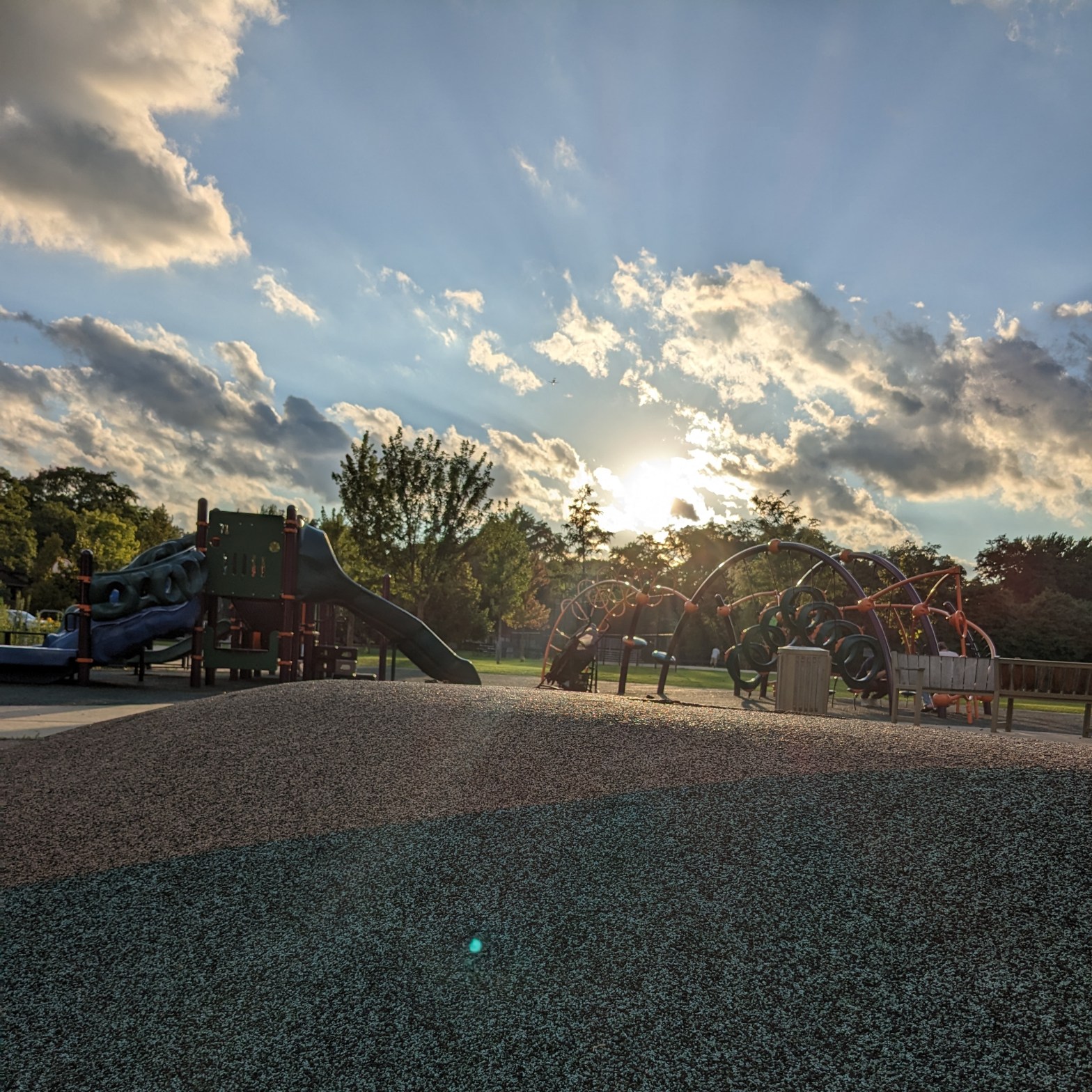
Today I can drive a few blocks west for a clear view of the horizon. Farmland stretches for miles, bookended by subdivisions. The sun is a shiny coin hovering above golden cornfields, casting light over the playground where my sons are climbing. I glance around, curious if anyone else notices the miracle unfolding before us.

A month has passed since my family moved into our dream home in the western suburbs. Our kitchen and rooms are set up. Artwork needs to be hung; some furniture will have to be purchased. Jay and I are still unpacking and searching for our Halloween decorations. Our kids are riding their bikes to the elementary school. We’re learning new names and faces, new routes and routines. Every day, I wake up incredibly grateful for the life we chose, and the house we live in.

Earlier this summer, when our house search was going poorly, and the dream we’d worked a year to pursue seemed to be slipping from our grasp, I struggled to sleep at night. We walked away from bidding wars, lost one, balked at prices. The question of where we’d live haunted me.

This evening, I stand at the edge of the playground and watch the world turn, watch color flame and fade while my boys run around. Children’s chatter rises and falls like a tide. Fall has arrived, but the air is warm.

Although the question of home has been answered, new questions arise: How will I create a home? What will I do here? Who will I become?

Tangerine, yellow and pink bleed across a vast blue canvas. My body feels settled, and at peace. More than ever, I’m less concerned with the future and more interested in leading a quiet life, being kind to everyone I meet. Living in uncertainty taught me to become more comfortable with ambiguity. I can, as Rilke wrote, “live the questions.”

Finally, the sun dips below the horizon and it’s time to collect my children. The view from here is stunning, I think. The view from here is changing me.

Reaching for goodness

“A writer will be interested in what we don’t understand rather than what we do.” —Flannery O’ Connor

Your oldest son asks what you and his dad are whispering about before dinner. Facing a cutting board strewn with tomato juice, you startle as if you’ve been caught passing notes in class. He cocks his head, waiting. 

“Dad and I were discussing gun violence… again” would be the honest answer. You glance at your husband. “Don’t worry about it, honey,” is what you say instead, picking up the knife and slicing more tomatoes. Which is ironic, considering the fact that you are indeed worrying — about school shootings, political violence, the genocide in Gaza, wars abroad and division in your country.

Your son doesn’t like your answer, but he’s already moved on, curious about what you’re cooking for dinner. Tacos, you answer. It’s taco Tuesday, after all, and the absurdity of making pico de gallo while grappling with death makes your stomach churn.

At church, your pastors preach that God is good and people are sinful, and while you agree, you also wonder about this message’s effect on the human psyche week after week. And what of the barrage of bad news we receive, almost daily, on our screens? How does that affect one’s heart? 

At the start of the creation story, God makes humans in God’s own image and calls them very good. Sinfulness writes headlines, but what about our innate capacity for goodness? 

You think of the way your youngest wraps his arms around your back and hugs you hard like he’ll never let go. You think of your oldest, and the stories he tells you before he drifts off to sleep at night, how he loves to have you listen. Yes, your kids fight and whine — all kids do — but oh, what a marvel they are, what a gift of creation.

The next day, when your beautiful children are at school, you sit at a library desk and press your pen to the page. You wonder, why bother writing at all when there’s so much brokenness around us? What good will my words do, anyhow? Why write?

You look up, eyes settling on elegant shelves brimming with books. When you were young, you reveled in storytime with your parents. After you could read on your own, you carried books with you the way you used to carry around your favorite flower blanket. Since childhood, stories have been your compass, a means to navigate a confusing world. You write because you first read.

As a freelance writer, you create work no one wants to pay for, but everyone needs. Articles, essays and devotions guide our thinking. Poems, prayers and stories comfort us at weddings and funerals, birthdays and graduations. Writing often garners measly (if any) wages and is already being replaced by AI. You write because the need to express is human, and our stories are marked by emotions, memories and hard-earned insights no computer can ever comprehend. Human storytellers have had a place in society for eons and they will continue to be vital. Life begets art; art begets life. You claim the title storyteller.

You write because once, an author wrote something that touched the deepest part of you, and you finally felt known and less messy and truly worthy and you want to try and do the same thing for someone else. You fold your memories and reflections with care and fashion them into an origami crane. You place the crane into a reader’s hands and say, “Here. I made this for you, I hope it makes you feel less alone. I hope it makes you feel something.” 

You write because holding a pen in your hand is akin to stepping on an express train. It’s as if God handed you a ticket and murmured, Enjoy the ride. You write because the journey beckons.

You write because filling a blank page with ideas empties you like nothing else can. Writing is hard work for a busy mind like yours. You aren’t the kind of writer who can produce graceful material upon first draft. If anything, your drafts are a lot like your garden — in need of weeding, watering and time in the sun. In other words: wild.

Maybe revision is part of the appeal? You spent many years as an editor, clearing space for others’ stories to ripen. After tending wild words, you feel wrought out, clear, purposeful, powerful. 

True, you might toil for hours unseen on one paragraph that will be read by two people and cause seven to unfollow you. Nevertheless, you nurture stories for the few who pause to appreciate their beauty — and will then be moved to grow and bloom themselves. 

And it’s this beauty that guides you today, as you sort through memories from recent days, searching for evidence of God’s grace among us.

You write to reach for goodness. 

How else would you remember a cool breeze rippling through your sweater on a September morning, your first sighting of crimson leaves, foreshadowing the approaching autumn? How else would you remember tossing the football with your eight-year-old son, both of you barefoot in the yard, amber light filtering through the trees, and the glowy feeling inside when he asked you to play with him? (You feel lucky he still asks.) Who else will account for your preschooler’s make believe, and the cookies and fruit he served you in the play kitchen? You write because you love your family, and you love God’s world and this act of documenting what you love is a prayer of thanksgiving. 

You write because you can’t imagine not writing. Your hand gets itchy if you aren’t able to write for too many days. Because there is a story waiting to be written that only you can tell. Because readers are waiting to be known by your words. Because you were created to create. Because, in spite of everything, you believe in humans’ capacity for goodness. Everyone is starving for kindness and you will do your small part to serve up hope.

Wishes

I wish that I was younger
and I wish I wasn’t so concerned about
the passage of time
seeing lines in my reflection,
aging parents, taller kids

I wish that I was richer
and I wish I wasn’t bothered by
the cost of eggs and our medical bills,
how we’ll afford to send our children
to college, how to pay for a new home

I wish our government was kinder
and I wish there was
a crystal ball I could use to predict
how to preserve freedom, peace
and justice for us all

I can’t wish away the hunger
I can’t wish away the hate
But I can name what’s broken
I call for change
and ask myself what I can give
to ease my neighbors’ pain

I wish that I was braver
And I wish I could give voice
to every injustice
that I witness and have experienced
as a mother
as a woman
as a girl

I wish I was a better Christian
and wife and mom
the kind of person who doesn’t
use sharp words with the ones I love the most
I wish I could sand my rough edges
give them the softest version
of my heart

All of these wishes
I keep them hidden
Will any come true?
All of these wishes
I hope God hears them
God, make me new

// Poem inspired by “Wishes,” a song by Tiny Habits

How our flock is surviving summer

Jack, Adam and I have been watching a group of goslings that live near our apartment. At the start of June, the goslings’ fuzzy yellow feathers began turning light gray. Whenever we’d pass them on the dog walk, their mama would stare menacingly at us, and if anyone got too close, she’d hiss. 

“Why is she hissing, Mom?” eight-year-old Jack asked. 

“Well, the mother wants to make sure her babies are safe,” I said, giving her a knowing nod. “She’s warning us not to mess around with her goslings… or else.”

“Or else what?” he pressed.

“Or else mother goose will fight us,” I chuckled, guiding us forward. We had an afternoon snack and an hour of screentime to look forward to, maybe a trip to the pool afterwards. Now mother goose was in protector mode, but I wondered if she ever felt exhausted by a barrage of snack requests, or even perplexed by how to entertain her brood. And, what did she look like when she was at peace?

Recently, the boys and I were walking our dog and we encountered the goslings again. I think. Honestly, they looked so large, they passed for geese. Closer inspection revealed their shortened tails and beaks, but, my, my, they’d changed. Astonishingly, their mother seemed nonplussed by their growth and our presence.

So it is with my boys, who, in the course of six weeks, have grown longer limbs and extra bumps and bruises and daily look as if they’re about to take flight. Unlike mother goose, I have zero chill about this reality and luckily, several summers before they leave home. Like our gosling friends, we’ve fallen into a summer rhythm with increased independence. Here are ten things that are helping us survive these long, hot weeks of change and growth.

Baseball: This was Jack’s second year of youth baseball, and while it wasn’t my favorite due to a cool, wet spring, I still enjoyed watching him play. Jack’s catching and throwing improved a lot this past season, and three-year-old Adam even made a buddy on the sidelines. Interestingly, my favorite part of this season hasn’t been the formal games at all, it’s been practicing with Jack and our family. We’ll either meet at a park I love or play ball in the yard at my folks’ house, where my sons’ grandparents, uncle and cousins can join in. Some of our sweetest moments happened with a wiffle ball and plastic bat, racing barefoot around imaginary bases. 

My parents: Since school let out, we’ve been traveling to and from Chicago’s western suburbs in search of a new home. As anyone who’s searching for a house knows, the market is moving quickly and if a house comes up that you like, you need to see it ASAP. Bringing kids to showings is… not ideal. Thankfully, my folks have stepped in to watch Jack and Adam while my husband and I visit homes. They are saints for being ready to host the boys, including special treats and trips to the comic store for baseball cards, and I’ve loved seeing their relationships deepen. Grandparents to the rescue!  

Summer skincare: As an aging millennial on the cusp of 40, daily facial sunscreen is a must: I use this SPF 50 tinted one on average days and this glowy version when I’m feeling fancy. I’m all about protecting my sons’ fair skin as well. When I’m out in the sun with the boys, we slather on this Unseen Sunscreen dupe I found at Trader Joe’s in June (sadly, this product is no longer available) or waterproof sunscreen from Target.

Simple breakfast: With warmer weather here, I’ve set aside my usual scrambled eggs for breakfast in favor of cool, creamy yogurt. I recently discovered Ratio yogurt, which is low in sugar, high in protein and my new go-to quick breakfast, paired with homemade peanut butter energy balls or fruit. My favorite flavor is vanilla. The boys enjoy Chobani flips (their favorites include mint chip, key lime pie and cookie dough). We’ve also been stocking up on juicy watermelon, which they both eat nonstop.

Library pick up: Lately, we’ve been on the run so often that we aren’t able to spend time lingering at the library. Enter: library hold pick up. Instead of browsing the shelves, I’ll sit with the boys and ask them what they’d like to read, then request those books using my library app. A few days later, I’ll receive a notification email to visit the library. We’ll breeze inside to drop off old books and collect our holds, then go on our way. This is my new favorite thing and it’s helping my boys conquer their respective literary canons (for Jack, the Captain Underpants series and Adam, the Berenstain Bears). As for me, I’m enjoying plenty of poetry and working my way through the School for Good and Evil (YA fantasy) series.

book

My writing group: I adore the women in my writing group. This year, we leveled up and now have an official Voxer thread in addition to our Slack group and text thread. We swap recipes, drop book recs, celebrate life wins, discuss how we are occupying our kids, ask “Is it just me or… ?” and, oh yes, we also chat about writing. They’ve been my summer lifeline as we all navigate the delight and challenges of parenting in the summer.

Quiet time with screens: Yes, we use screens — with boundaries — as a tool to entertain our children. With a three-year-old who’s fighting his midday nap and a precocious eight-year-old, I need relief. This summer it’s available thanks to Let’s go Pikachu on Switch for Jack and Paw Patrol DVDs for Adam. My rule for the summer is no screens in the morning, so my kids usually spend an hour in their respective universes after lunch or before dinner, giving me an hour to catch up on chores, meal prep or my reading. 

Playdates: Without the regular rhythm of school pickup and drop off plus apartment living, my kiddos and I are missing interactions with our pals. They’re with me nearly all day every day, which is wonderful, but we need variety! Consequently, I’ve been intentional about setting playdates with children and moms we love. We’ll meet at the pool, a park or in someone’s home and let our kids run and play together. These connections are like a deep exhale for everyone.

My summer uniform: I’ve been living in these chino shorts (in army green and pink), paired with a cute tank top. To rest my hair from heat styling, I’ve been wearing it wet with a claw clip. These sandals (in almond) have been my go-to shoes for summer for three years running. They can be dressed up or down, and they’re incredibly comfy. As for my boys, they’re choosing comfy athletic shorts and shirts, paired with blue slide sandals.

Flexibility: At the end of every Orange Theory class, the head coach at my studio says stretching is the “secret sauce” to longevity. What works for the body can also work for the mind. Perhaps the biggest thing that has helped me this summer has been a flexible mindset. I’ve never been great at adjusting plans but since summer started, I’ve had to shift gears to address family obligations, child injuries (everyone is okay, but we did have one urgent care visit) and house hunting. Letting go of plans and expectations is a good exercise in humility for someone like me. Maybe by the end of the summer, I’ll be more chill? Maybe. (Hey coach, I’m certainly stretching!) Anyway, I do not pretend to know what’s in store for our little flock amid life’s many uncertainties, but one day soon, I hope we’ll stretch our wings and soar home. 

To read about more summer favorites, check out Kim’s “What’s Saving My Life” and Jessica’s “What’s Saving My Summer Life.”

Your turn: What’s helping you survive the summer? Leave a comment and let me know.

A blessing for parenting in the summer

God of ice cream cones and sun-kissed cheeks,
God of sticky fingers and pool-soaked bodies,
You made summertime, with its warm breezes
and ample sunshine.

You gave us wispy, white clouds for watching,
Rolling tides for splashing,
Sand for digging and building castles.

Be with me now as I parent
my children through this season,
As we, together, navigate
Longer days and unstructured time.

You know that “School’s out for the summer”
Contains multitudes — stress and sweetness,
dread and relief.
“What can we do?” and “Can I have another snack?”
The answer varies, depending on the hour.

To support our kids through this season means
Pool passes and park playdates,
Sports camps and Vacation Bible School,
Family travel and time unstructured.

Let us see the blank space on the calendar
Not as a challenge to be feared,
But as a gift of rest to be savored
Moments imprinted on our hearts.

Let us revel in the joy of our children
When they witness butterflies soaring
Or dandelions blooming,
When they take off on their bikes for the first time,
And savor that first ripe blueberry.

Let us celebrate their beauty
As they learn to swim and bike,
As they get lost in their favorite book,
As they slide, swing, and run at the park,
As they dig in the dirt and help plant tomatoes.

And when the days grow long and tedious,
And we cannot fathom grappling with
one more tantrum,
Let us draw on the support of our village —
Neighbors, family, church members, friends
Let us hear: “You’re doing great.”

Remind us you are near — in the cool waters
of the creek,
Juicy bites of watermelon,
The surprise rainbow,
The light of fireflies,
A campfire’s glow,
And the joy of watching our children grow.
Amen.

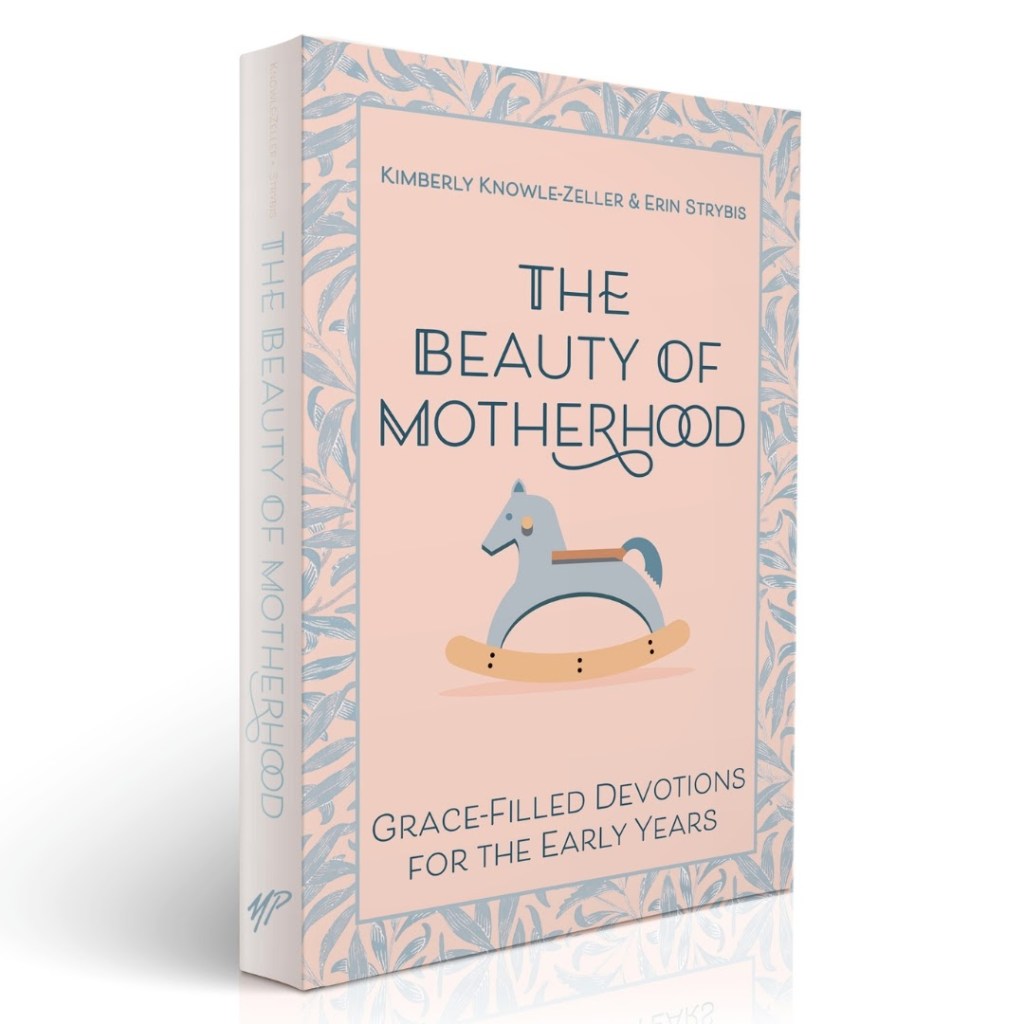
// written with my friend Kimberly Knowle-Zeller as summertime approaches. If you liked this new blessing, you may enjoy our devotional, The Beauty of Motherhood.

The Beauty of Motherhood book cover

On the cusp of 40

She is at the age where
Instagram serves her ads for Botox,
at the age where faint wrinkles indent
the edges of her cheeks, and it seems

her skin is a problem to be solved, as if
“She smiled too much” could be written
on her gravestone.

In her twenties, she almost lost
a job because she was
“too nice.” Still, they hired her.
Now she’s old enough to know
there’s nothing nice about
people-pleasing.

She heard on a podcast that
when women face menopause,
our bodies and minds will suffer,

the suffering is real
but she’s letting go
of the idea that her best days
are behind her — she’s holding onto
her smile, she’s determined to live
the next 40 years concerned with
her own pleasure.

She’s driving into a new decade, windows down,
hair dancing in the breeze, Kacey Musgraves cranked
loud, singing “I’ve got to take care of myself,” she’s
feasting on salmon, pasta and chocolate, walking
into rooms with her head held high, lifting weights
and finding her own strength, making waves, making
goals, making love, devouring — and making — juicy poems.

Midlife is a death sentence?
She’s not letting herself go
there. At 39, she’s on the cusp of
becoming. Her gravestone will read:
She wrote and lived beautiful stories.
Until the end, she held onto
her smile.

// This post is part of a blog hop with author Lindsay Swoboda in support of her book Holding On and Letting Go: A Life in Motion.

Click here to view the next post in the series.

To mother

“What would you have liked to know before becoming a mom?” a friend asked recently. 

“Wow, good question,” I laughed. When I was pregnant, the moms in my circle offered all sorts of sage advice, yet, ultimately, I needed to figure out motherhood for myself. 

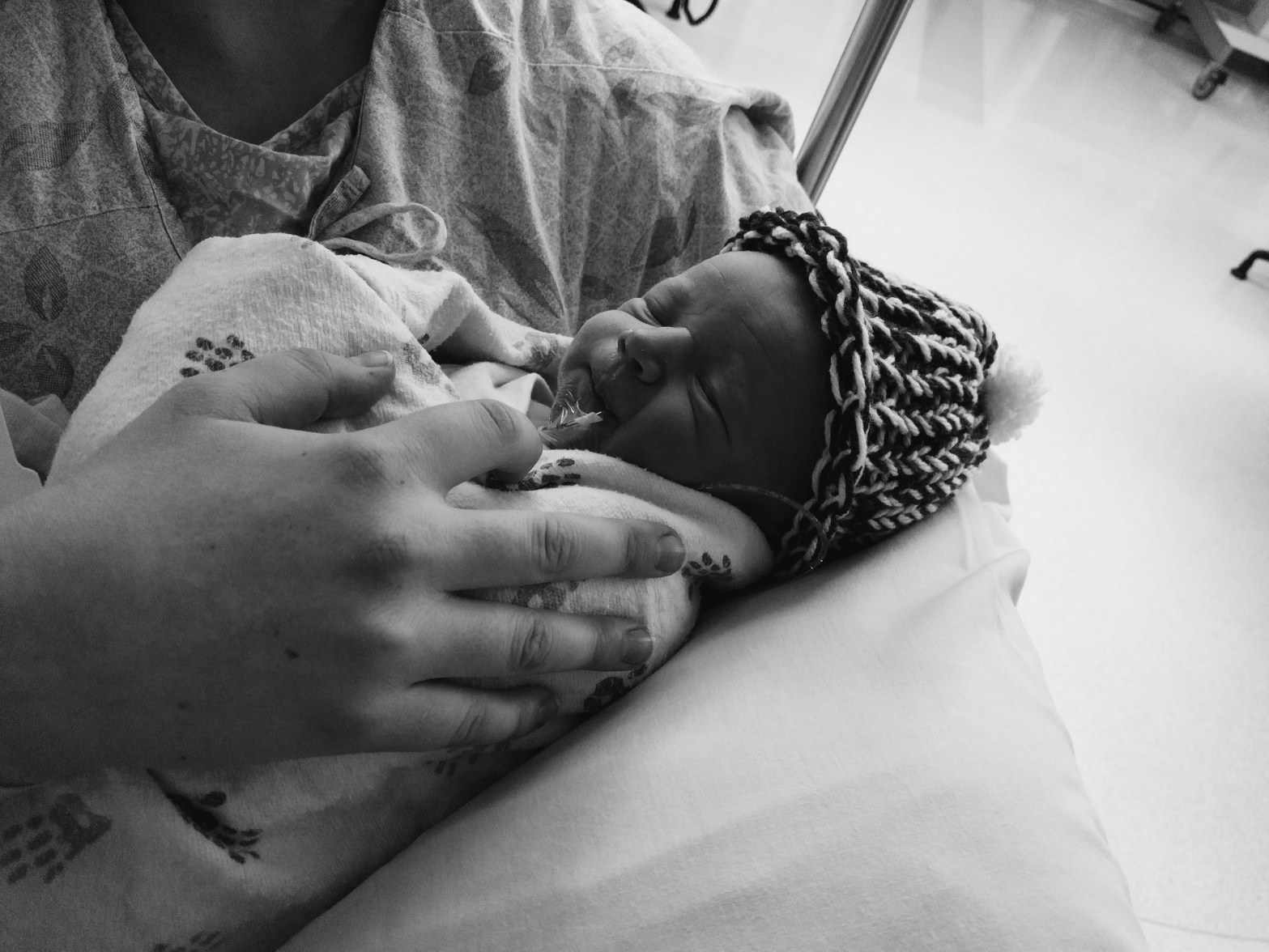
The first time I held my baby, we were in the NICU. I remember looking into his blue eyes, feeling his weight and experiencing sheer joy — and terror. The nurses had left. Now I was responsible for his well being. Would I be up to the task?

Even today, I wonder what I’d say to an expectant mother. How do you describe the toughest, most beautiful job in the world?

Is it like being a nurse, caring for needy patients? Or more like a teacher, presenting lessons and encouraging budding learners?

At times, a short order cook. A cheerleader. Housekeeper. Zookeeper! Captain of the ship. 

Perhaps motherhood is like being a writer, nurturing wild words into stories that stir the soul. You spend countless, invisible hours putting everything you have into your work — then you revise, leaning into whatever the piece wants to become. And here’s the kicker: You can only steward your stories for so long until they’re ready to be set free, with a life of their own.

Motherhood is as impossible to contain as the weather. It’s sunshine and storms. Clear skies and blizzards. Rainbows, too. 

I don’t think anyone can fully prepare you for the cataclysmic identity shift of motherhood. The call to mother will stretch you beyond your capacity. You will embody love. You will make mistakes. You will know sweetness beyond understanding. You’re bonded forever and compelled to endure a perpetual state of letting go. And when you feel as if you can no longer hold it all, grace will carry you through. 

What did I know of motherhood when I was young? What do I know now? How do you describe a metamorphosis of the heart?

Planting season

The saying “Bloom where
you’re planted” served
her well for years

She put down roots,
Pale green sprouts stretched tall
Tiny buds formed, eager to unfurl
She wanted to grow, grow, grow

Lately she’s been wondering,
Can I still bloom
when the climate changes?
Or if the garden grows too crowded?
What if there are toxins in the ground?

What if there’s another place
with richer soil
more space
and a more temperate climate?

Few perennials dare uproot
themselves
Some wither
Some are crushed
She’s always had trouble letting go

Time ticks by — the hour is late
Too long she’s blamed herself
for failing to thrive in poor conditions
She will look upon herself with love
Call herself precious

She’ll be more careful this time
She’ll stick her hands in the dirt and plant
herself where she can bloom
Trust the Master Gardener
Turn her face towards the sun

How do you pinpoint growth?

With a measuring stick and a scale? 
Spreadsheets and pie charts?
Photographs from years past? 
Words you wrote last spring?

How do you see growth when brown leaves cling to the forest floor, when snow is forecast, when a new season swirls beneath the surface, seemingly hidden from view?

In hands that can hold their very own umbrella? 

In pony legs that race across the court lickety-split? 

In the new paths you explore — and the sunset’s tangerine glow?

In spiky onion shoots, the first to rise from a barren garden?

All March you’ve been searching for flowers, something like the white ones from the yard you left behind when you moved last year.

Last week orange flames danced in the woods outside your apartment. Smoke billowed and plumed, conjuring memories of bonfires past. A prescribed burn is what the city called it. Prescribed burns are healthy for forests; the devastation makes room for new vegetation. You know what it’s like to be burned though. You figure it will be weeks before you see anything bloom from the ashes.

So, when your first flower of spring arrived at your doorway, in the hands of an old neighbor, you blushed. An overdue housewarming gift, she said. Delicate and purple, it fragrances your kitchen.

How do you pinpoint growth?

In sleeping peacefully through the night? 

In the “big boy swing” perfectly holding his body?

In the way he climbs trees with ease?

By examining your reflection — with new lines and silver strands forming — and simply … accepting it?

In embracing new beginnings. In forgiving yourself.

By celebrating the orchids in your midst.

// For more reflections on spring and growth, read “Hanami” by Melissa Kustche, “A Blessing for the First Warm Days” by Kimberly Knowle-Zeller, Losing my hair” by Fay Gordon and “Five Stages of Midwest Grief When Exiting Fake Spring and Entering Second Winter” by Jessica Folkema.