In 2019, I was constantly in motion. Rising early to beat the call of “Mommy!”; gulping down hot coffee; speeding to school pickup; racing through bedtime stories only to crash into bed, exhausted.
My planner — bursting with appointments, birthdays, tasks and deadlines — was my compass. I scrawled my dreams in the margins.
I poured myself into motherhood and writing. Scrimped on sleep, self-care. I wanted to do it all and do it well. I couldn’t let anyone down. At this I did not succeed, yet I kept moving.
Somewhere in the middle of all this chasing, I lost my footing. I forgot why I was running. Did I really need to run?
Weary, I slowed my pace to walk.
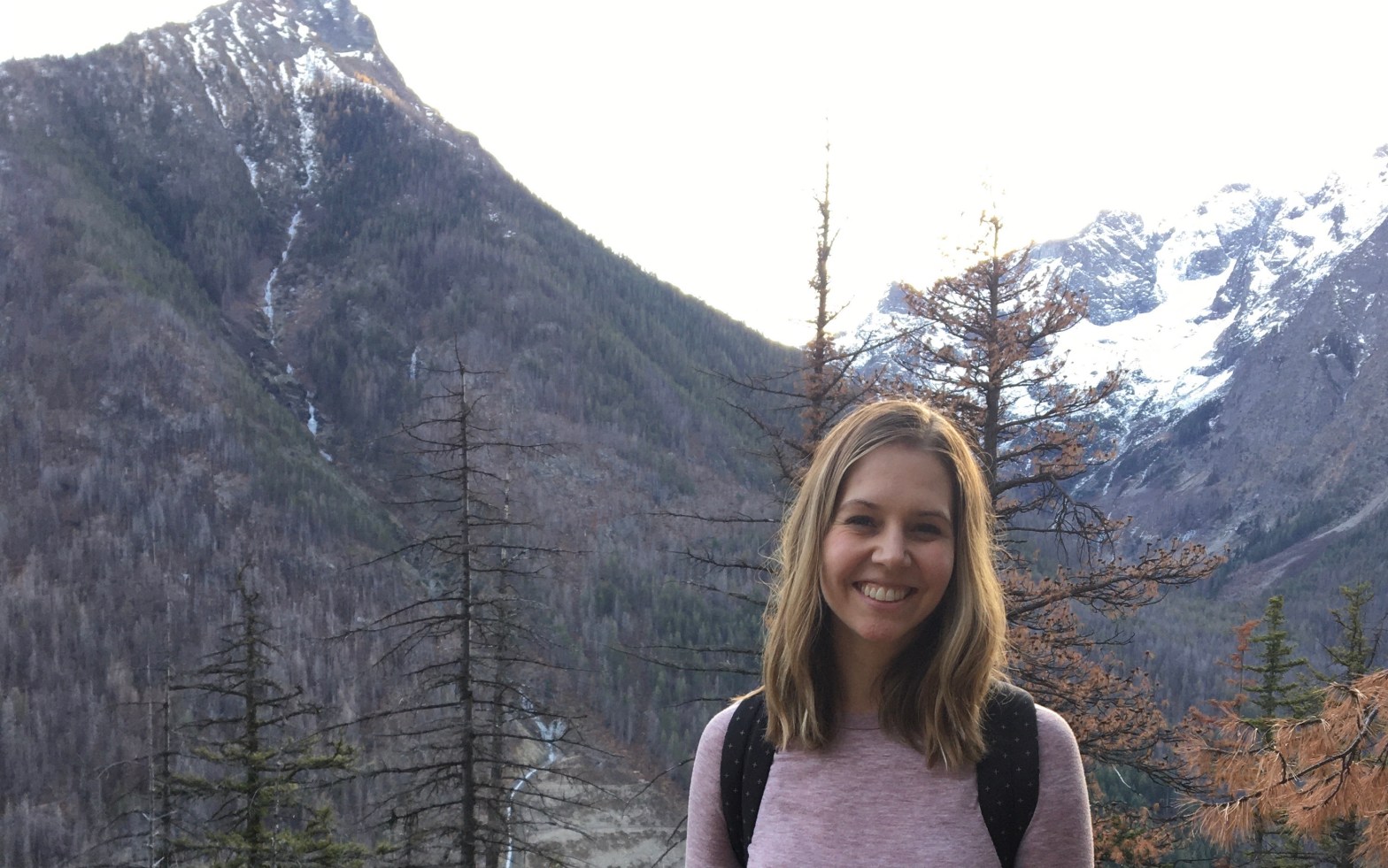
One day, I found myself child-free in the wilderness. Into the woods I walked. Over the mountains. Into a clearing.
Violet and indigo mountains scraped the sky and my feet kissed the edge of a frozen lake. All was quiet, save for my heart’s heavy beating. The alpine air smelled brand new.
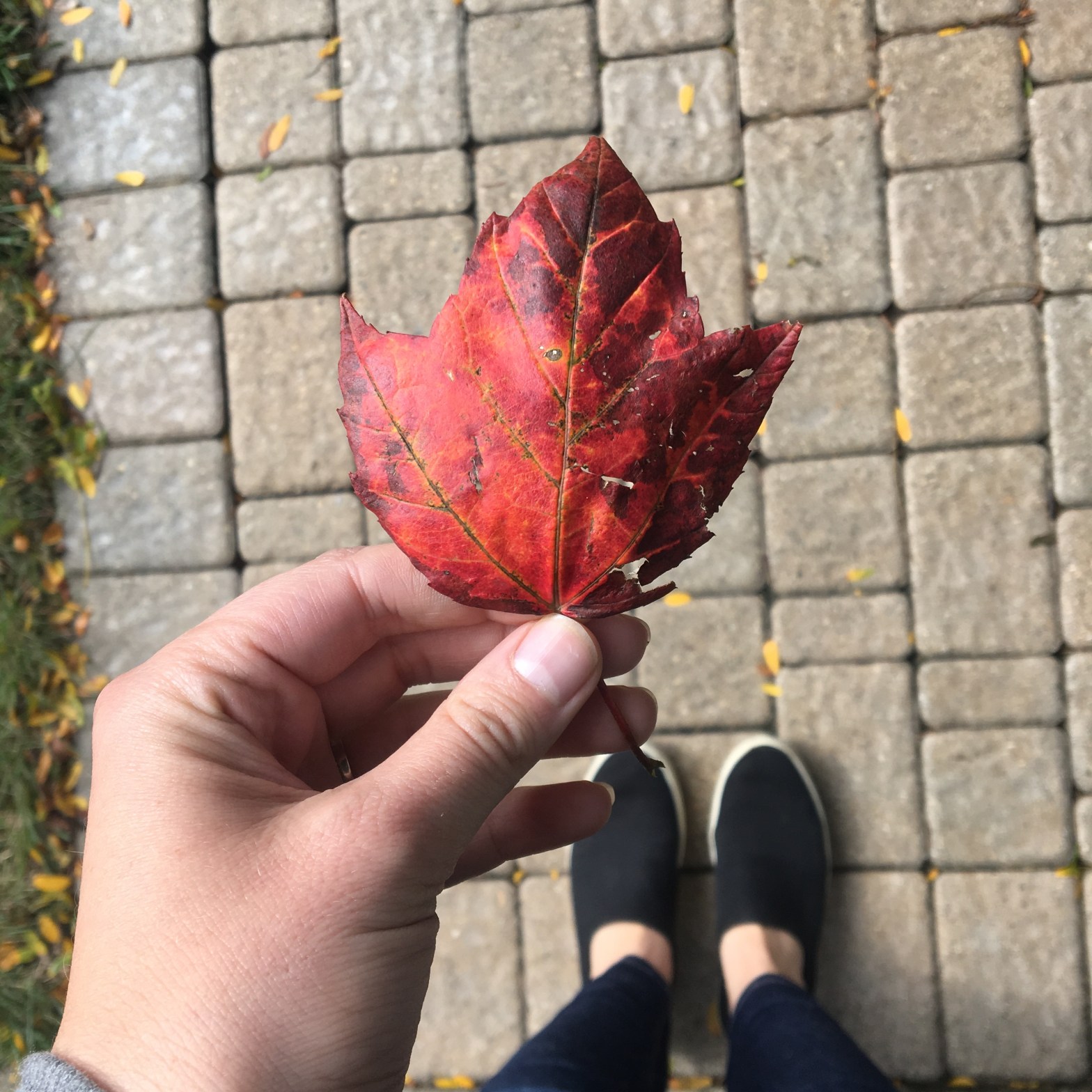
I looked down and my feet, my tired feet and nearly jumped. Tiny cracks etched in ice echoed modern art.
How had I missed this?
I wonder what else we miss by failing to shift our perspective. By forgetting to stand still.
Hiking boots rooted to the earth, I thought of poet Mary Oliver, who urged us to
“Pay attention.
Be astonished.
Tell about it.”
This year, I want to notice the beauty lingering at my feet. Matchbox cars and Legos, but also holy play and happy chaos. Tiny toes and big feelings? The gift of good health and togetherness. Cookie crumbs as sweet memories. Spilled milk as Grace abundant.
I won’t forget that moment in the wilderness. Filling up. Seeing. Letting go.
In 2020, my intention is to stop and pay attention. To the ones I love. To the world around me. To small steps on the greater journey. To the beating of my heart.
The Cut recently informed me that although some people don’t keep a diary, most of us have inboxes that serve as a “fossil record of our lives.” In other words, ancient emails are a window into our stories. Reading this, a small chuckle escaped my lips. I’d been sifting through emails the day prior for evidence to corroborate dates for an essay I was revising. What struck me most about my old messages was their tone. My voice seemed strange yet familiar, young but not naive, kind yet scared. Who was this woman? Me but different.
On this 20th day of December in 2019, 48 hours from my 34th birthday and 12 days until New Year’s, I wonder: Who was I on the cusp of 2019? And who will I become in 2020? The whole truth lies not in emails but stories — lessons — from the time between.
One: Why does it ache?
Trapped with my mouth wide open and torso at a 45 degree decline, I examined vintage Chicago posters while the dentist finished cleaning my teeth.
“Well, that’s it,” he said, putting down the floss.
“So, you’re sure there’s nothing wrong?” I asked him, craning my neck to the side.
“Your teeth look great, though you’ll probably want to start flossing more — the gaps between them grow wider with age.” With the flick of his switch, my chair whirred to eye level.
I repositioned myself and tried again: “It’s just my teeth, they were so achy.”
For weeks they’d ached, pain fading in and out. They hurt first thing in the morning and at bedtime. They occasionally woke me up at night. They hurt whenever I switched from one activity to the next, almost as if my teeth were petulant children demanding my attention. I brushed, flossed and went back to work, ignoring them.
Little mouths needed brushing, dishes of every size kept piling up in the sink and deadlines too were stacking up in my planner. Visiting the dentist never made it on my lengthy to-do list; it got lodged in my brain someplace between almost out of dish soap and don’t forget to file your check requests before sabbatical.
“Right.” The dentist nodded.
I licked my teeth and tasted fluoride. “And now they’re fine,” I said. Coincidentally, the week I made the appointment, my pain disappeared.
The dentist shrugged his shoulders and stood to leave. We’d already gone over this — no evidence of grinding or gum disease. No cavities.
“Sometimes these things have a way of sorting themselves out.” He smiled and moved to the door. Conversation closed.
It bothered me that the dentist didn’t have an answer. What caused the pain? I wondered, picking up my complimentary toothbrush and toothpaste and summoning my driver. I zipped up my jacket and waved goodbye to the receptionist. Moreover, how did it heal?
Outside crisp leaves tumbled across the street and wind cut through my jacket. Fall in Chicago is a short, poignant season one must be careful not to miss. The neighborhood trees were showing off gold, crimson and burnt orange and I realized I had the entire afternoon free before my son returned from school. I could go for a run in the woods or cozy up with a good book. Maybe I’d start a chili.
Waiting for my ride it struck me: I was no longer in a hurry.
I’d replaced piles of dishes and deadlines with extra playtime and travel. After months of making appointments for my son but not myself, I had an eye exam, annual check-up and this dentist visit. I was officially on leave from work and yes, life was slow.
For now.
Eventually sabbatical would end and working motherhood would sink its claws back into me. I smiled up at the gray sky. I wanted to hold onto this feeling — hope — and carry it with me to the next season. I wanted to start paying attention to pain, and to its release.
Two: A messy dilemma
I hold two passions in my heart: one is my family, the other, my career. I’m lucky I landed my dream job as a magazine editor. I’m doubly blessed I realized my dream of becoming a wife and mother. I’m living the dream.
Yet these two dreams often seem at odds with one another, and though I believe that’s a false dichotomy, there are days I curse motherhood for crippling my career and days I blame work for my lack of presence with my family. Both are lies. Both are true.
When my son’s weeklong spring break from school approached, I submitted my vacation days and cleared my calendar just for him. In my planner, I sketched out daily agendas: on Monday, we’d go to Cafe Little Beans, on Tuesday, we’d stay home and watch Disney movies, on Wednesday, we’d take a nature walk, and so forth.
Wednesday arrived and I loaded up my son Jack and our dog Gus into the car and drove to the forest preserve for our walk. The sky was clear and blue, pale green buds sprinkled trees, and when we approached a clearing, I let Gus off leash for a romp in the grass. Jack pointed and giggled as Gus sprinted out into the empty field. “Go on buddy,” I said, gently pushing him forward. The ground was moist and smelled of yesterday’s rain. With a little coaxing, Jack made a beeline for Gus, who appeared to be drinking out of giant mud puddle.
“Oh no! Wait. Honey, don’t go in there,” I yelled out, waving him back.
“Mommy! A mud puddle!” He said, stomping his feet with glee.
Too late. In an instant, Jack’s shoes were caked with black-brown mud. Then he plopped on his bottom and the mud speckled our dog’s white fur. Safely positioned on the edge of the puddle, I sighed, thinking of the bath they would need later. This was not on my agenda.
“Mommy!” Jack cried, pushing himself back up. “Come splash with me!”
I didn’t want to go in, but in that moment I knew I could either be the mom who played in the mud or killed the fun. I had only 10 minutes left for this walk and zero supplies for clean up. This would surely dirty my car, delay our daily agenda and screw up Jack’s nap schedule. Plus I was wearing white-soled shoes. No matter what, this was going to be a mess.
“Mommy! Mommy!” my son called again, grinning. Gus let out a little bark.
This time, I didn’t hesitate. I stepped out into the mud to play.
Three: Brave
What I remember most about our conversation was his attitude. Leaning over his scotch at the bar top, my friend was the definition of casual. This was the same carefree guy I knew from college and also someone entirely different. He was a pastor, after all.
So when I confessed to him over drinks I still had doubts about my faith, I couldn’t have predicted what he said next.
“Imagine how it feels when you’re the pastor,” he said throwing back a swig of scotch.
My mouth dropped. I stirred my seltzer water and searched for the right response. “You too?”
“I mean, who hasn’t?”
What I’d wanted from him was theology. Wisdom. A Bible verse to help me grapple with why my husband got sick and my dad got sick and why people kept getting shot by angry white men with assault rifles. I wanted an antidote to doubt.
Instead of that, he offered, “Me too.” My pastor friend understood the doubts and the questions and the creeping worry that death was just the end. What I wanted wasn’t what I actually needed. What I needed was a companion in doubt.
This conversation wasn’t an anomaly. I talked to many other pastors this year who echoed similar sentiments.
On a walk in the woods, I got to know a pastor who admitted she didn’t have the best answers to age-old faith questions related to suffering. At coffee, my pastor listened to my frustrations at length and nodded with understanding, quietly holding space for me.
Over pancakes, one very important pastor I admired told me he hoped I’d write about it — my doubts. I wanted to tell him I’d been trying to write about doubt and pain all year. Instead I sat and sipped my coffee.
I often wrote in the literal darkness. Early in the morning before my family woke. Late at night when they were asleep.
Entering the darkness in words doesn’t necessarily stump me, it’s the getting out that does.
Another pastor whose writing I adore wrote this of darkness: “Those of us who should follow Christ, therefore, should expect a lot of darkness. That is where God finds us and also sends us.”
Later, when it was time to make edits to a story I wrote that seemed too sad and irreverent, I discovered a shred of Hope threaded through my prose. I set down my red editing pen.
Perhaps exploring doubt is a sign of evolving faith. I’m finding there’s beauty in the darkness. I’m learning to pay attention to my pain — and joy. I believe I’m entering 2020 a little braver than before.
I wrote this post as part of a blog hop with Exhale—an online community of women pursuing creativity alongside motherhood, led by the writing team behind Coffee + Crumbs. Click here to read the next post in this series “2019.”
The digital clock on my dresser flashes 7:55. Late, we are going to be late. I sprint across the hallway, snatch socks and deposit them at my son’s feet. “I need you to put these on now.” “Nooo! I don’t wanna,” he screeches, folding his arms. The last thing we have time for is a standoff before school. I crouch to his level and grit my teeth. “You need to try because you are a big boy now and I cannot do everything for you and we are running late.” I say this in my mom-means-business-voice.
He puffs his lip out. “Mommy, you do it!” To which I cry out, “Jesus Christ!” Not my finest parenting moment.
Then: a whirlwind of tears and apologies, a quick sock tutorial, shoes, hats, coats. My heavy sigh as I lock the door. The dashboard clock reads 8:10. Late.
It’s December, a time when moms are supposed to be merrily gift shopping, addressing holiday cards and executing traditions. Our tree’s lit and we even baked Christmas cookies, yet I can’t shake the feeling that I’m running behind. That I don’t measure up to the other moms. I don’t have enough cheer to give my kid. (He’s never met Santa; our holiday budget’s tight.) Christmastime, it’s magical and a rush. I hate rushing.
My son does too.
I turn on Christmas radio as I back out of the garage, but I’m not really listening, too busy mind mapping all the mistakes I made that morning, ways I could have been more prepared.
While the masses deck the halls and check their lists, the church observes Advent, during which we assume the posture of expectation. Advent, with its moodiness and calls for repentance, is incongruous with the holiday hustle. I like this about Advent.
At the stop sign, my son shouts, “Mommy! Mommy!” “What honey?” I answer. Light snow falls, lining the trees and streets. I hope it sticks. “It’s a Christmas song,” he says, bobbing his head.
My ears register “We Wish You A Merry Christmas.” “Oh!” I say, stunned by his sudden cheer, the mercy of fresh snow and forgiveness. “Fa-la-la,” he adds, beaming. This does not even go with the song.
Jesus Christ, I think to myself, smiling. That’s who Christmas is all about — the gift of a child, born to save us from ourselves.
She was asleep to the beauty of her life until she left it. “Mommy play with me!” Her husband’s socks balled up and abandoned on the carpet. The never-ending cycle of laundry and “What’s for dinner?” Bottom-wiping and dog duty.
She craved adventure; this wasn’t enough.
She hatched a plan and escaped.
//
Miles away from home, she woke in an unfamiliar bed, hungry for her family. She relished her journey. Not only did it feed her soul, it depleted her heart. And that was a good thing, she decided, because she needed to remember just how much she needs the ones she cares for. How their love fills her up.
Please don’t let me forget this, she wrote in her notebook. These extraordinary blessings — people to miss, a cozy home, clothes to wear, nourishing food, meaningful work. When she was back in their embrace she prayed, thank you. Please don’t let me forget.
On Dec. 2, I’ll step back into my workplace of over six years after a three-month sabbatical. Undoubtedly one of the first questions on my colleagues’ minds regarding this time away will be “So, how was it?”
To which question I’m struggling to find a succinct answer.
If pressed to sum it up in adjectives, I’d offer “restful,” “transformative” or simply: “necessary.” Alternatively, I could say “just what I needed.” (This is the most likely answer I’ll share.)
Such descriptors cannot adequately express what it feels like to step away from demanding work in an always-on capitalist culture that values achievement over rest. Or what happens in the heart of a 33-year-old person whose last similar break was the summer she was 15. I worked every summer after I turned 16; my first full-time job started two weeks after college graduation. Oh sure I had a maternity leave – any mother will tell you maternity leave is NOT a break from work. But I digress.
Many will be satisfied by a short answer, ready to move on with their day. Those who are wanting more may then ask, “So, what did you do?”
Short answer: “Rest. Travel. Write. Spent time with family and friends.”
Longer: In September, my husband, son and I visited my grandma and extended family in Louisiana, saw my girlfriends from college and celebrated my sister-in-law’s wedding. I finished an essay that ended up figuring into the theme of my book project.
In October, our family went apple-picking, celebrated a dear friend’s wedding and enjoyed Halloween festivities. I read and wrote.
In November, I took my first solo writing trip to Holden Village and hosted both sides of the family for Thanksgiving. By the month’s end, I completed three rough chapters for my book proposal and had others in the works.
These highlights are only half the story. In the spirit of authenticity and transparency, here are some things I wouldn’t share in casual conversation:
In September, I went to a number of doctors for overdue appointments. I then found myself having unexpected crying fits and feeling general listlessness. Enter: Writer’s block. I returned to church after a long hiatus.
In October, I pressed pause on all freelance writing work and returned to therapy. I also turned down two potential job opportunities. I realized the book I originally wanted to write is not the book I need to write right now. (Yikes!) Exit: Writer’s block.
In November, while traveling, I had a number of breakthroughs for the book. I met incredible people at Holden Village and witnessed the Pacific Northwest in all its fall glory. I returned home to receive good news about my father’s health. I waited for news about mine.
Still this is not the whole story.
It should be noted that in addition to writing, I read voraciously during my sabbatical. I finished:
Still by Lauren Winner (I cried reading the introduction, this book is so relatable and honest)
Tell Me More by Kelly Corrigan (I laugh-cry all the way through)
Educated by Tara Westover (I read this twice because it’s so good)
Half of a Yellow Sun by Chimamanda Ngozi Adichie (cannot stop thinking about this)
The Atomic Weight of Love by Elizabeth J. Church (beautiful, challenging)
The Water Dancer by Ta-Nehisi Coates (phenomenal, sobbed through this one)
Twirl by Callie Feyen (read for the second time, this book and its author are a gift)
Lit by Mary Karr (exquisite prose and storytelling)
A Book of Uncommon Prayer by Brian Doyle (hilarious and heartfelt)
Homegoing by Yaa Gyasi (powerful, must-read)
Where’d you go Bernadette? by Maria Semple (inventive story, strong satire)
On Writing by Stephen King (excellent straight talk on writing)
Tell It Slant by Brenda Miller and Suzanne Paola (excellent slant talk on writing ;))
The Dutch House by Ann Patchett (touching, well-written page-turner)
Each of these books shaped my inner growth and influenced me as a writer. I’d highly recommend any of them to you, if you are looking for a good read. (I left five other books from my reading list unfinished, though reading multiple books at once is typical for me.)
And speaking of unfinished, if you’re reading this blog post and wondering where are all the stories from your time away? I usually write scenes and stories when I post on this blog. Here’s the answer: I’m hoarding them.
I would love to tell you more about my visit to Holden and someday I will. But those sacred, raw stories are in a special notebook that I’m slowly transferring to computer screen. The changes that took place inside me this past season? I’m saving for my book as well. I’m eager to share them.
This is hard for me. I would love to share them right now as they are. However, when I decided earlier this year to write a book proposal I didn’t realize I’d be sacrificing the outward facing writing that is so satisfying to complete – freelance bylines and blog posts and micro essays – for the hard, behind-the-scenes work of building chapters and story arcs and investigating my life and turning it into art. In order to make space for this larger project in earnest, I must do less.
As I mentioned earlier, I also thought I was writing a completely different book than the one I started. But if I look back at the arc of this year and reflect on the pain I’d only partially dealt with and had been so doggedly avoiding I realize how could I not write this story?
And what, you might ask, is your book about?
It’s about a girl hungry for love and for answers. This girl believed she had to be perfect in order to earn love. She believed in God. Along the way, she battled an addiction and had a baby. Then someone she loved got sick. Then someone else. A kernel of doubt lodged itself in her heart. It kept growing and growing. She found herself in crisis.
The book is about how she moved forward.
Writing a book is intimidating, grueling, holy work that is feeding my soul. I’m creating a precious gift. For others. For myself. (By the way I do plan to write my original book idea, which was a devotional. It’s also in the works, but on the back burner for the moment.)
So it’s been pretty quiet over here and will continue to be for some months as I chip away at chapters of my story. I’m opting out of social conversations, pitching less and posting less because I’m channeling all my creativity toward one of my heart’s greatest desires – to put a book in the world. I do not think this will be easy. I do not know if I will succeed.
I do know I have to try.
Every time I get distracted by the seeming pressure of endless “content-creation” (can we agree that this term “content” is just the worst?), I try to remind myself: I’m in this in the long haul.
It takes time to craft something brave and beautiful. I’m in the thick of it now and there’s no turning back.
So, here’s how I spent my three-month sabbatical — I breathed energy into another chapter of my life.
For a little boy who celebrates fresh flakes with spontaneous snow angels,
For his bear hugs & sloppy kisses,
For the sweet taste of his remaining Halloween candy, freely given (seems like all our talk of generosity is sinking in, eh?),
For building towers & bedtime stories,
For every blessed time he utters, “I love you too, Mommy!”
Thank you, Jesus.
Also. Help me remember this feeling when this same child throws a tantrum after I cut his hot dog the “wrong way” & myriad other sins that shall go unnamed.
First things first, you pack your hiking boots, your books, your laptop and your notebook. Make that two notebooks. Plenty of pens, six pairs of socks, underwear, toothpaste and a toothbrush. Two sweaters, four long-sleeve shirts, four pairs of pants. The readings for your workshop, hot off the printer. Cash you forgot to get cash (you will get that at the airport). You tuck away your fear — fear of dying, fear of heights, fear of rape — in the side pocket, next to your hairbrush. Your unearth your winter hat and gloves, and just in case a pair of snow pants. Add courage alongside your laptop in your carry-on backpack. Make sure you have your chargers. Your suitcase is too heavy; you extract three books.
Last but not least “photo of your family” is on the list and you realize you don’t have an updated one in print. You decide the photos on your phone will suffice. (Note to self: Do *not* lose your phone.) You look at your packing list, most items checked off and a few abandoned (you have a tendency to overpack), and wonder if there is anything else you can take to prepare yourself for the journey. This your first pilgrimage to a destination you’ve dreamed of visiting since you were 20.
You’re traveling solo.
Heading into the dark to meet your airport taxi, you worry that maybe you should have brought your son and husband. You think this as you set your suitcase on the security belt, settle into your window seat, step off the bus in an unfamiliar city.
A day later you’ve arrived. No one knows you (yet), and unpacking your boots, books, laptop and notebooks, you feel the chill of sweat down your spine. You question whether you have the capacity to summon the story inside you. To enter the wilderness on your own.
In the library you find a book of poetry by Christine Valters Paintner. You flip to the middle, her words ring out sharp and strong: “This is a voyage best made alone.” You know what you need to do. You pick up the pen and begin.
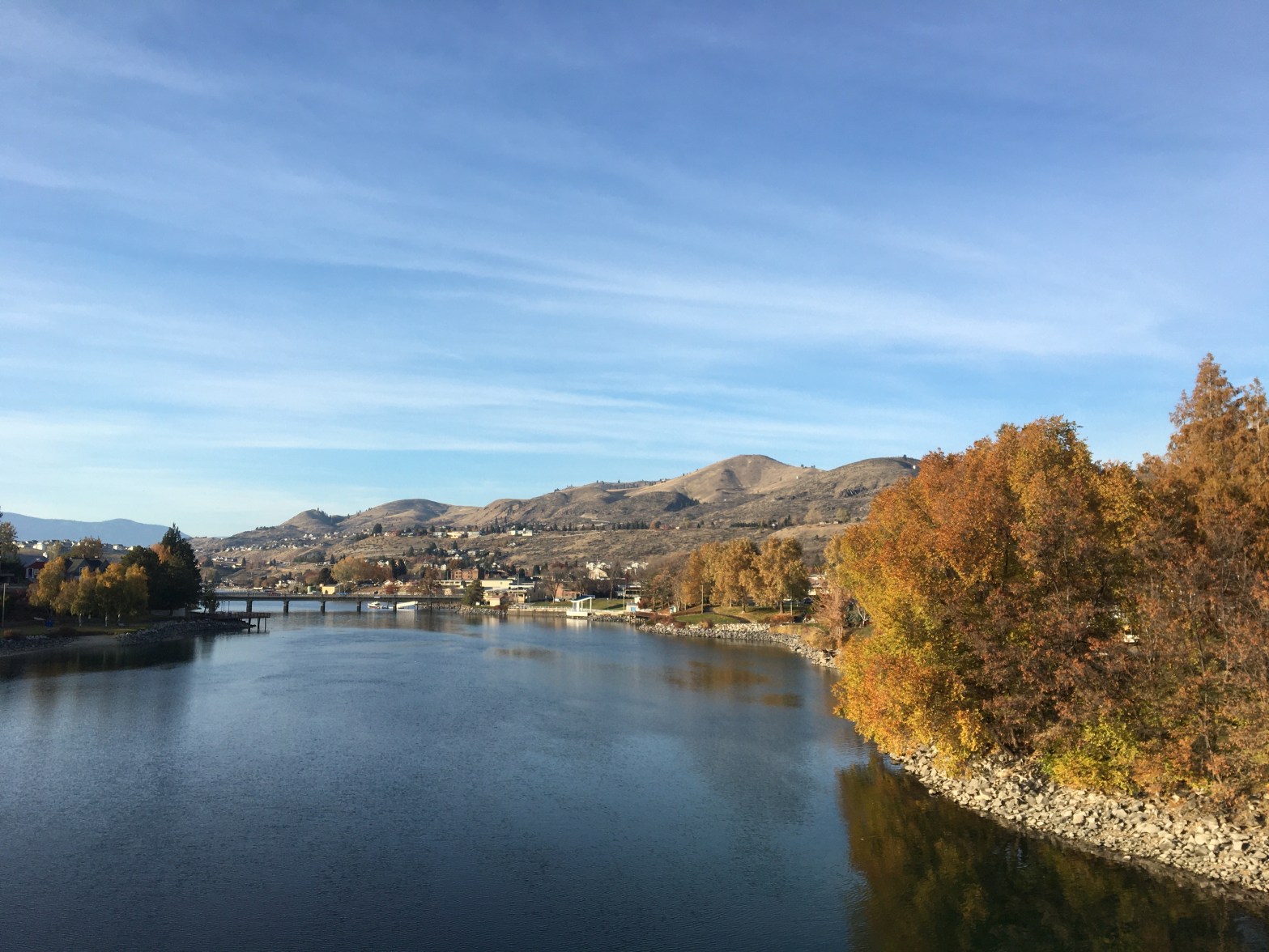
I stand at the edge of the river, gazing out at the horizon. Azure sky and mountains and wind and sunlight surround me, threaten to engulf me. Alone on a bridge in central Washington, I listen. Rapids rush beneath me. A smattering of leaves flutter down from a distant tree.
I wonder what it’s like to live someplace where the earth feels so alive it’s singing to you.
Earlier this year I stopped going to church for a season. Not because I don’t love my church or because my church hurt me. On the contrary, I love my church community. Deeply. I stopped going because I couldn’t hear God speaking to me there and I couldn’t bear to take communion while feeling like a hypocrite.
The truth is, I was angry at God. Everyone is carrying something, and for two years, I’ve carried the weight of family illness. I questioned. I doubted. I buried myself in work. Anything to avoid the deafening silence of prayers unanswered.
I have spent 10 years working in ministry, telling stories of God’s creative and redeeming work. Being a professional Christian typically does not afford time or space for a faith crisis, you keep working through it all. You cannot stop.
But when the opportunity to press pause, to take a sabbatical this fall became available to me, I applied, knowing how much I needed it. I needed to step away. For my family. For my heart.
Today I’ll take a boat to Holden Village, a Lutheran retreat center in the mountains. I’m going there to rest. To listen. To worship. To write.
On the bridge: This song, it’s not so much a voice as it is a feeling. Warmth. Joy. Presence. Comfort. I let out a sigh. How long have I been holding my breath? And I consider: Perhaps God also speaks to us in our darkest moments. In the silence. In the doubt.
Sabbatical day 5: “If you need to talk to someone, I can help with that.” Her voice echoes kindness; her brow furrows. “Or I can write a prescription.”
I shift my eyes to avoid her gaze. The examination room is spare and spacious, yet the clean, white walls seem to be closing in.
“I’m OK, it’s just . . . there’s been a lot going on.” I sigh and wipe my eyes. Moments ago, the nurse ticked through her medical history checklist, barely glancing up when I noted my mother’s surgery, my father’s treatments, my traumatic C-section. It was protocol, but it felt like a cruel joke when my doctor went through the same questions again. The second time I deliver the answers, my voice cracks. My doctor notices.
She gently begins to interrogate me. We discuss my husband Jay’s health issues, my trouble sleeping, my mental health. The tears arrive unbidden. This was not the plan at all — I’d come here for a routine appointment, not to rehash two and a half years of family drama.
“Your son is at a great age, you should be enjoying this time!” she goes on. “Your husband is going to be fine. I promise.”
This time, I don’t look away. I believe her. Who I’d began to question, however, is myself. Am I really OK?
//
In June, I’d sketched out the plans for my sabbatical, which was approved for September through November. First, a coverage plan for my job as a content editor: I wrapped up projects and doled out writing assignments. In July, I signed up for a writing class and coaching to hold myself accountable toward my sabbatical goal. In August, I submitted an application for a week-long stay at Holden Village, which I hoped to use as a writing retreat of sorts. Finally, I filed my last stories for the magazine, all whilst wrapping up freelance work.
These details are boring but I share them with you because they show me starring as the thoughtful colleague, the meeter of obligations, the planner of activities and that annoying person you know who derives great satisfaction in checking off to-do list boxes. It is a fact: I take great pride in my work. This is not always a good thing, to be defined by doing.
When I closed my work laptop for the last time in late August, I should have felt relieved. Finally, I had more time to focus on my family, my health and the book idea that was on my heart.
Instead I felt lost.
//
Sabbatical day 9: There’s an orb spider living outside our back sunroom. Her perfect, intricate web stretches from one power line to the other, shimmering in the sun. A couple days ago, Jay and I discovered her first web above our candy apple front door. We brushed it away from this highly trafficked spot and carefully transported her into the bushes. A pang of guilt passed through me after we went inside. At least we didn’t kill her.
The sight of her perched in the new web, dotted with dew drops and a few unlucky bugs, makes my breath catch. I begin to think of the spider as a kindred spirit.
//
I’d hoped to begin my sabbatical with gusto: merrily churning out assignments for my writing class, investigating market research, outlining chapters, spinning stories. All around me people are picking up new rhythms as the school year starts and church programming ramps up. On the cusp of a new beginning, I freeze up.
I sit down and write a few lines, then scratch them out because they sound terrible. I type a paragraph, then delete it. I rack my brain to tap into a memory I hope to use to create a scene. I draw a blank. I know there is something here, but I just can’t access it.
At night, I struggle to sleep. Staring into the fuzzy gray, listening to my son’s sound machine from across the hall — this night it plays a rainstorm — I contemplate my career path, my sense of calling. I’ve spent ten years writing professionally and I can’t even finish a damn essay for this class, I think. All the other writers in this class are better than me. Who was I to want to write a book? Why can’t I just be productive? I feel the weight of my privilege and worry I am wasting this gift of time.
I spend an afternoon in my bath towel, moping. I accompany the dog and my husband (who works from home when he’s not traveling) on afternoon walks. He can see something’s bugging me, so he urges me to join them. Rather than buzzing with energy and new ideas, I arrive at our doorstep listless. At some point I write in my journal a phrase I’d read once before, “The problem with having a breakdown is that you don’t know it while you’re in it.”
My web is gone. Unlike my spider friend, I cannot bring myself to spin a new one.
//
Sabbatical day 13: In the afternoon, I receive test results from my doctor’s office. I listen to the voicemail; it says I need to call back. I dial the number and hold my breath. When I look out the dashboard out across our quiet, treelined street I am thinking of my son, first and foremost. Then I think of my husband. My extended family. My dreams and ambitions. And for the first time in days, I dip my head and pray.
Only after I hang up do I exhale. Only then do I notice fresh tears on my cheeks. Again.
My body is trying to tell me something. That night, after putting my son down, I curl up into bed and pass out. I sleep for 11 hours straight.
//
At some point in the middle of this sabbatical, let’s call it day 22, two important things happen:
First, I pick up the phone and call my best friend. Second, I read Tara Westover’s memoir, Educated.
Holly’s voice immediately helps me relax. I lose myself in our conversation, affirming her ups and downs with her baby daughter, sharing my ups and downs with my precocious preschooler. I rest in our stories. I laugh. When I hit the end call button I feel lighter.
I download Educated onto my Kindle because I think it will help me better understand how to tell my stories and it has been on my to-read list for a while. Within the first chapter, I am hooked. It’s so good I devour it in a day and a half, barely moving from the orange arm chair in our living room, eyes locked on the screen, until I have to pick up my son from school. After his bedtime, I open the book again and dive into Tara’s story, reading into the night. One I finish, sleep comes easy.
The tightly wound ball of stress inside me begins to unravel.
//
There is a scene in Educated where Tara sits in a college classroom listening to a lecture on freedom. Her professor is discussing the concepts of negative liberty and positive liberty. Negative liberty involves freeing oneself from external obstacles and constraints. Positive liberty, however, involves the mind, it is freedom from internal, “irrational fears and beliefs, from addictions, superstitions and all other forms of self-coercion.”
Tara — educated outside of the public school system by fundamentalist parents — struggles to grasp the concept of positive liberty. A friend introduces her to Bob Marley’s song, “Redemption,” and she scratches the lyrics None but ourselves can free our minds into her notebook. It is only later Tara realizes the hold her parents have on her thoughts.
I stop reading. Have I been doing this all of my sabbatical? Holding myself prisoner to my own self-doubt? I had not given myself permission to rest. Nor had I given myself permission to write.
//
Sabbatical day 32: “Mommy, you don’t have your phone,” my son says, munching his toast. I watch the bits of grape jelly and crumbs stuck to his lips and smile.
“That’s right, honey, I’m just here to spend time with you,” I answer, taking a sip of my coffee. Hot and creamy, I relish the smell, the way the drink warms my throat and wakes up my mind. Outside our dining room window, the sky is gray and the leaves are beginning to turn outside. Signs of change.
“Mommy can we make butterflies?”
“Of course! Let’s do that before you go to school,” I answer, rising to clear our plates and usher him into the sunroom.
It is now October. I completed my writing course and my final essay didn’t turn out horribly like I thought it would. I’m brainstorming for my book proposal. I slowed down, and I let go of my ambitious expectations. I’m going back to therapy too.
I am rebuilding my web.
At a tiny table in the sunroom, Jack holds a paintbrush with intention, dipping it into the watercolors then swishing it across a butterfly I’d cut for him out of white drawing paper.
“Mommy can you come paint with me?” he asks, turning his face toward me. I stand at the kitchen counter rinsing dishes and think of how many times I turned him down earlier this year in the rush to drop him at school and go to work. I am lucky that today I don’t have to, and I understand what a sweet gift that is. The dishes can wait. This cannot.
So I answer: “Absolutely. Yes.”
…
If you’d like to support my book proposal journey, here are a few ways to help:
Give me feedback! Is there a particular post or article I’ve written that resonated with you? What would you love to read more about? Comment on this post or email me using the contact page on this blog.
Subscribe to this blog and follow me on Instagram to stay in touch. To subscribe, use the sign-up box in the sidebar. Note: I’m taking an Instagram sabbatical for mid-October through November but will be back in December.
Finally, I’d love your prayers or words of encouragement. Thanks, as always, for connecting with me in this space.
They call it the longest, shortest time for a reason, yet every time I glimpse you teetering between boyhood and babyhood, I’m startled.
Like at baby Chloe’s birthday party, while she investigated her first cupcake from her high chair, you begged for a slice of watermelon cake. You licked up the green icing and tore away into the prairie grass faster than I could holler, “Where are you going, buddy?” Light rain streaked down from the gray sky as I watched you from the gazebo thinking surely he’ll stop soon.
But you didn’t.
You just kept running farther and farther into the wild and when you wouldn’t respond to my calls I knew what had to be done, I couldn’t let you keep going so I chased after you myself.
Caught at the edge of the trail, you collapsed into my embrace, eyes shining, mouth stained with frosting, bubbling over with laughter.
(A few days ago, we fell asleep on the bed in the afternoon, your tired toddler body curving into mine. At two and a half years old, you rarely nap with me, not the way you used to when you were so small and sweet. Beforehand you’d refused to go potty, spit out your carrots, threw a tantrum. I woke trapped under the weight of your head in my right armpit, eager to wriggle free. Then I noticed your softened face and the heaviness of your eyelids. You looked angelic. We stayed that way for a while until I slipped out of the bed and let you dream alone.)
In that open field, I’d held you and pleaded, “Jack-Jack, please don’t run away from me like that again. You made Mommy very scared!” Your eyes widened and you nodded your head gravely, like maybe you understood. And we walked hand in hand back through the tall grass back to the gazebo.
Growing up, it seems, is a dance of going out on our own and coming home to rest. We are in the dance right now, you and me, and I’m trying hard to give you the space you need and trust that you’ll know when you need to run back to me. Honestly, on the long, hard days I want to run away from it all. But the truth is, my big-little boy, I need you too. More than you know.
So how about this? We keep up this holy dance, growing apart and together. Two souls in the world — bonded by love.